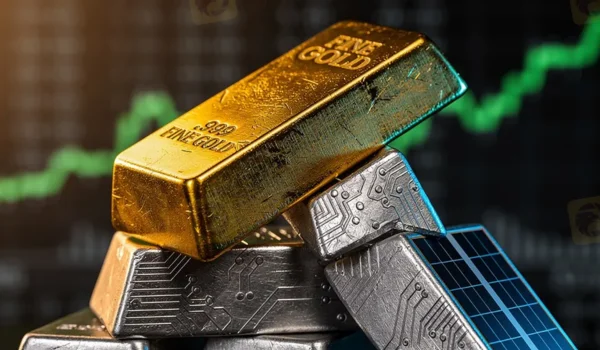
Silver has always been a market that rewards patience. Unlike some fast-moving assets that trend continuously, silver often spends long periods consolidating before making sharp moves in either direction. That is why many traders and investors closely watch periods of correction or stability, searching for a potential entry point.
Silver prices have seen a significantly volatile market after strong rallies earlier in the year. Because of it, an important question arose among market participants: are current silver prices finally offering buyers the opportunity they have been waiting for, or is more uncertainty still ahead?
The answer depends on more than price alone. Traders need to evaluate market structure, industrial demand, macroeconomic conditions, and the quality of the current pullback before making decisions.

Why silver remains important in today’s market
Silver plays a dual role; it behaves both as a precious metal and as an industrial commodity. While gold is driven largely by safe-haven demand, silver demand is increasing from the following sectors:
- Solar energy
- Electronics manufacturing
- Electric vehicles
- AI-related infrastructure
- Electrical equipment
This industrial connection gives silver a broader demand base. Analysts are expecting structural deficits in the silver market. This means demand may keep exceeding supply for another consecutive year.
Understanding the recent silver correction
At the beginning of this year, Silver rates saw a big rally and subsequently a sharp decline. For newer traders, this type of correction can appear alarming. However, strong assets usually experience periods of cooling after extended rallies.
The important question is whether the correction reflects weakening fundamentals or simply a temporary reset after excessive momentum.
Recent price action suggests the market may now be stabilising near important support zones rather than continuing a freefall.
What makes an entry point “good” in silver trading
A good entry point is not necessarily the bottom of the trend. But it can be an area where risk becomes manageable relative to potential reward.
In silver trading, buyers usually look for:
- Price held steady at support
- Decreased selling pressure
- Momentum gaining after consolidation
- Strong demand fundamentals still in place
The price chart of silver shows that it has moved above important downtrend lines and is trying to recover. Although this does not guarantee an immediate rally, it signals that the market may be rebuilding strength.
Why buyers should still stay cautious
Even though silver is approaching attractive levels, the market is still experiencing volatility, which is a major concern. The following factors can play a major role in Silver’s price move in the near future:
- Interest rate expectations
- US dollar strength
- Geopolitical events
- Commodity market sentiment
So this means that buyers shouldn’t look at every dip as a buying opportunity. A better way is to wait for confirmation.
How traders can approach the current setup
Traders can build a structured approach as follows.
- Identify major support and resistance levels on the chart. If silver continues respecting support while forming a stronger price structure, that may improve the quality of entries.
- Do not chase sudden rallies after large green candles, as Silver can reverse faster than any other commodity.
- Manage position size carefully. Even strong setups can fail in highly volatile markets.
Most importantly, separate long-term demand trends from short-term price swings. Silver’s industrial relevance may remain strong even when short-term sentiment becomes unstable.
Conclusion
Silver rates are back in focus with many traders looking for suitable entry points after several months of volatility. The silver market seems to remain in good health despite the recent correction that has reduced the extreme momentum.
For traders, the smarter approach is not trying to catch the perfect bottom. It is recognising when market conditions begin shifting in favour of controlled, higher-quality opportunities. Traders also track silver rates in Chennai and other cities to understand local demand trends and how global price movements are reflected in the physical market.