Police verification in India is a background-check process conducted by the local police to verify a person’s identity, address, and criminal record status. It is commonly required for passports, government jobs, private employment, tenant verification, arms licences, and various official applications. The process usually involves document submission, police record checks, and a physical verification visit to the applicant’s address. Depending on the purpose and state, verification generally takes 7–30 days.
What is Police Verification?
Police verification is an official process through which the police confirm:
- Your identity
- Residential address
- Citizenship details
- Criminal record status (if any)
- General background information
The purpose is to ensure that the applicant does not have a criminal history that may affect eligibility for a particular service, job, licence, or document.
When is Police Verification Required?
Police verification may be required for:
Passport Applications
New passport issuance and certain passport re-issuance cases.
Government Jobs
Recruitment in central and state government departments.
Private Sector Employment
Many companies conduct employee background verification.
Tenant Verification
Landlords may request police verification of tenants.
Domestic Help Verification
Verification of drivers, maids, cooks, and caretakers.
Arms Licence Applications
Background checks are mandatory before issuing licences.
Visa and Immigration Purposes
Certain countries may require police clearance certificates.
Security-Sensitive Positions
Jobs involving security, finance, or confidential information.
Types of Police Verification in India
- Passport Police Verification
Conducted after or before passport issuance depending on the category.
- Character Verification
Used for government employment and official appointments.
- Tenant Verification
Conducted to verify individuals residing in rented properties.
- Police Clearance Certificate (PCC)
Issued to certify that a person has no criminal record for specific purposes such as immigration, work permits, or overseas employment.
- Employee Background Verification
Requested by employers through authorized agencies or police authorities.
Step-by-Step Police Verification Process
Step 1: Submit Application
Apply through the relevant authority.
Examples:
| Purpose | Application Authority |
| Passport | Passport Office |
| Government Job | Recruiting Department |
| PCC | Passport Office/Police Authority |
| Tenant Verification | Local Police Station |
| Arms Licence | District Administration |
Step 2: Submit Required Documents
Common documents include:
- Aadhaar Card
- Voter ID
- PAN Card
- Passport (if available)
- Driving Licence
- Utility Bills
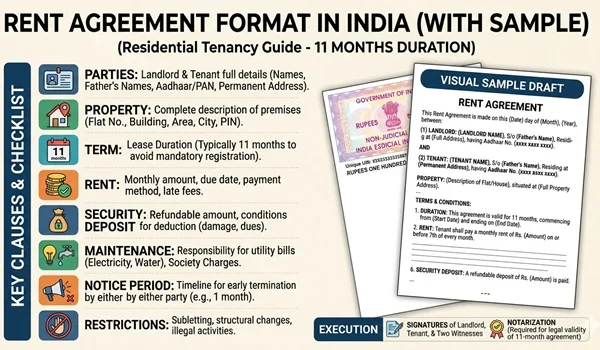
- Rent Agreement
- Employment Documents
- Passport-size Photographs
Authorities may ask for additional documents depending on the purpose.
Step 3: Application Reaches Local Police Station
After receiving the application, the concerned authority forwards verification requests to the police station having jurisdiction over your residential address.
Step 4: Police Officer Conducts Verification
The assigned officer may:
- Visit your residence
- Verify your identity
- Confirm your address
- Check supporting documents
- Speak with family members or neighbors
- Verify length of stay at the address
This is a normal part of the process.
Step 5: Criminal Record Check
Police records are examined to determine whether:
- Criminal cases are pending
- Warrants exist
- Serious complaints are registered
- Any legal restrictions apply
Minor disputes do not automatically lead to rejection.
Step 6: Verification Report Submission
The police officer submits a report to the concerned authority.
The report may be:
Clear
No adverse information found.
Adverse
Discrepancies or criminal concerns identified.
Incomplete
Additional information required.
Step 7: Final Decision
The concerned authority reviews the police report and makes the final decision regarding:
- Passport issuance
- Job appointment
- PCC issuance
- Licence approval
- Other requested services
Documents Required for Police Verification
Identity Proof
- Aadhaar Card
- PAN Card
- Passport
- Voter ID
- Driving Licence
Address Proof
- Aadhaar Card
- Electricity Bill
- Water Bill
- Gas Connection Bill
- Rent Agreement
- Bank Statement
Additional Documents
Depending on the purpose:
- Employment Offer Letter
- Passport Application Receipt
- Property Documents
- Visa Documents
- Educational Certificates
Police Verification Fees
Fees vary depending on the purpose and state.
Common Examples
| Service | Approximate Fee |
| Tenant Verification | ₹0–₹500 |
| Police Clearance Certificate | ₹500–₹1,000 |
| Passport Police Verification | Usually included in passport fee |
| Character Certificate | Varies by state |
| Employment Verification | Employer-specific |
Always check the latest fee structure with the concerned authority.
Timeline for Police Verification
| Service | Typical Processing Time |
| Passport Verification | 7–21 Days |
| PCC | 7–30 Days |
| Tenant Verification | 3–15 Days |
| Government Job Verification | 15–60 Days |
| Character Verification | 7–30 Days |
Timelines may vary based on workload and local procedures.
Authorities Involved
Depending on the purpose, the following authorities may be involved:
- Local Police Station
- District Police Office
- Superintendent of Police (SP)
- Passport Office
- District Magistrate Office
- State Home Department
- Recruiting Government Department
Reasons for Delay or Rejection
Police verification may be delayed or adversely reported due to:
- Incorrect address
- Incomplete documents
- Mismatched personal details
- Unavailable applicant during verification
- False information in application
- Pending criminal proceedings
- Invalid identity proof
- Failure to respond to police inquiries
Tips to Avoid Rejection or Problems
Provide Accurate Information
Ensure that:
- Name matches official records
- Address is complete
- Date of birth is correct
Keep Original Documents Ready
Police officers may ask to see original documents during verification.
Be Available During Verification
Missing verification visits often causes delays.
Inform Family Members
If you are unavailable, family members should know about the pending verification.
Update Address Records
Address inconsistencies between documents can create problems.
Respond Promptly
Provide additional information immediately if requested.
What Happens if Police Verification is Adverse?
If adverse remarks are recorded:
Step 1
The concerned authority may notify you.
Step 2
You may be given an opportunity to explain discrepancies.
Step 3
Additional documents or clarification may be requested.
Step 4
The authority reviews the explanation before making a final decision.
An adverse report does not automatically mean permanent rejection in every case.
Reader Checklist
Before Applying for Police Verification:
Identity Documents
☐ Aadhaar Card
☐ PAN Card
☐ Passport (if available)
☐ Driving Licence
Address Documents
☐ Utility Bill
☐ Rent Agreement (if applicable)
☐ Bank Statement
☐ Voter ID
Application Requirements
☐ Correct Address
☐ Active Mobile Number
☐ Recent Photographs
☐ Application Receipt
☐ Original Documents Ready
☐ Family Informed About Verification Visit
Frequently Asked Questions (FAQs)
Q: Is police verification mandatory for a passport?
A: Yes, in many passport cases police verification is conducted either before or after passport issuance depending on the application category.
Q: Can police verification be completed without a home visit?
A: In some situations, verification may be document-based, but a physical visit is common for many types of verification.
Q: What happens if I am not at home during verification?
A: The officer may revisit, contact you, or mark the verification as incomplete, causing delays.
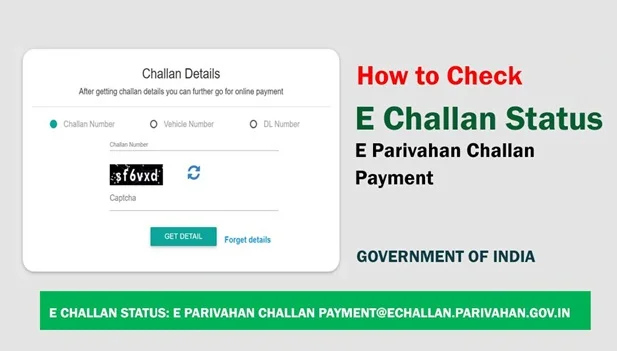
Q: Does a traffic challan affect police verification?
A: Generally, routine traffic challans do not affect police verification unless connected to serious legal proceedings.
Q: How can I obtain a Police Clearance Certificate (PCC)?
A: You can apply through the relevant authority, often the Passport Office or designated police authority, depending on the purpose.
Q: Can a tenant apply for police verification?
A: Yes. Tenant verification is commonly conducted for rented accommodations.
Q: How long is a Police Clearance Certificate valid?
A: Validity depends on the organization or country requesting it. Many authorities prefer a recently issued PCC, often within the last 3–6 months.
Q: Can police verification be done online?
A: Applications for many services can be submitted online, but physical verification may still be required.
Conclusion
Police verification is an important background-check process used for passports, jobs, tenant registration, licences, and immigration-related purposes in India. The process is generally straightforward: submit the required documents, cooperate during the verification visit, and ensure that all information provided is accurate. Keeping your identity and address records updated, responding promptly to police inquiries, and maintaining complete documentation can help ensure smooth and timely verification without unnecessary delays.