Hair fall is one of the most common concerns among men and women in India. Factors such as stress, poor diet, pollution, hard water, hormonal changes, and unhealthy lifestyles can weaken hair roots and lead to excessive hair loss. Ayurveda, India’s traditional system of medicine, offers several natural remedies that may help nourish the scalp, strengthen hair follicles, and support healthy hair growth.
In this guide, you’ll learn about Ayurvedic remedies for hair fall, their benefits, how to use them, precautions, lifestyle tips, and foods that support healthier hair.
What Is Hair Fall?
Hair fall refers to the shedding of hair from the scalp beyond the normal daily limit. Losing around 50–100 hairs per day is considered normal. However, excessive hair loss, thinning, receding hairlines, or visible bald patches may indicate an underlying issue.
Ayurveda associates hair health with the balance of the body’s doshas—Vata, Pitta, and Kapha. An imbalance, particularly increased Pitta, is often believed to contribute to premature hair fall and thinning.
Common Causes of Hair Fall
Understanding the root cause is important before trying any remedy.
- Nutritional Deficiencies
- Low iron levels
- Protein deficiency
- Lack of vitamin D
- Zinc deficiency
- Vitamin B12 deficiency
- Stress and Anxiety
Mental stress can disrupt the natural hair growth cycle and trigger excessive shedding.
- Hormonal Changes
- Pregnancy
- Menopause
- Thyroid disorders
- PCOS (Polycystic Ovary Syndrome)
- Scalp Conditions
- Dandruff
- Fungal infections
- Scalp psoriasis
- Excessive oil buildup
- Environmental Factors
- Pollution
- Hard water
- Excessive sun exposure
- Hair Styling Damage
- Frequent heat styling
- Chemical treatments
- Tight hairstyles
- Genetics
Hereditary hair loss can affect both men and women.
Best Ayurvedic Remedies for Hair Fall
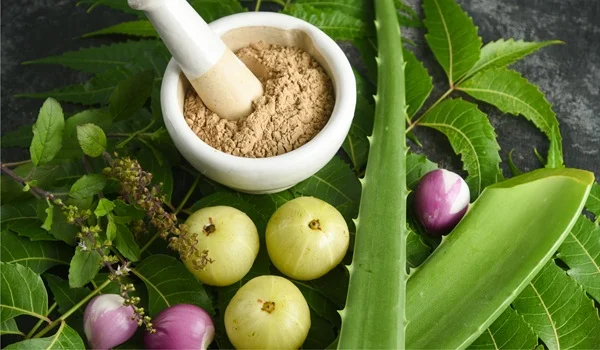
- Amla (Indian Gooseberry)
Amla is one of the most popular Ayurvedic remedies for hair health. It is rich in vitamin C and antioxidants that may help strengthen hair roots.
Benefits
- Supports healthy hair growth
- Strengthens hair follicles
- May reduce premature greying
- Improves scalp health
How to Use
Amla Hair Pack
- Mix 2 tablespoons amla powder with water.
- Make a smooth paste.
- Apply to the scalp and hair.
- Leave for 30–40 minutes.
- Wash with a mild shampoo.
Amla Oil Massage
- Warm amla oil slightly.
- Massage the scalp for 10 minutes.
- Leave overnight and wash the next morning.
- Bhringraj
Known as the “King of Herbs” for hair care, Bhringraj is widely used in Ayurvedic hair oils.
Benefits
- Nourishes hair roots
- May reduce hair fall
- Supports thicker-looking hair
- Improves scalp circulation
How to Use
- Apply Bhringraj oil 2–3 times a week.
- Massage gently for 5–10 minutes.
- Leave overnight before washing.
- Fenugreek Seeds (Methi)
Fenugreek seeds contain protein and nicotinic acid, which may help improve hair strength.
Benefits
- Helps reduce breakage
- Conditions hair naturally
- Supports scalp health
How to Use
- Soak 2 tablespoons methi seeds overnight.
- Grind into a paste.
- Apply to scalp and hair.
- Leave for 30 minutes.
- Rinse thoroughly.
- Aloe Vera
Aloe vera is known for its soothing and moisturizing properties.
Benefits
- Calms scalp irritation
- Helps control dandruff
- Supports healthy hair growth
How to Use
- Extract fresh aloe vera gel.
- Apply directly to the scalp.
- Leave for 30–45 minutes.
- Wash with lukewarm water.
- Coconut Oil and Curry Leaves
This traditional Indian remedy is commonly used for nourishing hair roots.
Benefits
- Provides essential nutrients
- Strengthens hair shafts
- May help reduce hair thinning
How to Use
- Heat coconut oil.
- Add a handful of curry leaves.
- Let the leaves turn dark.
- Cool and strain the oil.
- Massage into the scalp twice weekly.
- Hibiscus Flower and Leaves
Hibiscus has long been used in Ayurvedic hair care.
Benefits
- Conditions hair naturally
- Supports hair strength
- May reduce dryness
How to Use
- Grind hibiscus flowers and leaves.
- Mix with water or curd.
- Apply to hair and scalp.
- Leave for 30 minutes.
- Rinse well.
- Neem
Neem possesses antibacterial and antifungal properties.
Benefits
- Helps maintain scalp hygiene
- May reduce dandruff
- Supports healthier hair roots
How to Use
- Boil neem leaves in water.
- Cool the water.
- Use it as a final hair rinse after shampooing.
- Onion Juice
Although not a traditional Ayurvedic herb, onion juice is commonly used in Indian home remedies for hair fall.
Benefits
- May improve scalp circulation
- Supports stronger hair roots
How to Use
- Extract fresh onion juice.
- Apply to the scalp.
- Leave for 20–30 minutes.
- Wash with a mild shampoo.
Ayurvedic Hair Care Routine for Hair Fall
Following a consistent routine can improve results.
Morning
- Eat a balanced breakfast rich in protein.
- Stay hydrated.
Weekly
- Oil massage with Bhringraj or Amla oil.
- Apply a natural hair mask once or twice.
Daily
- Avoid excessive heat styling.
- Protect hair from pollution and sunlight.
- Use a mild shampoo suitable for your scalp type.
Lifestyle Tips to Reduce Hair Fall Naturally
Manage Stress
- Practice meditation.
- Try yoga regularly.
- Get adequate sleep.
Stay Hydrated
Drink 2–3 litres of water daily unless advised otherwise by a healthcare professional.
Avoid Harsh Chemicals
Limit:
- Hair coloring
- Chemical straightening
- Frequent bleaching
Improve Sleep Quality
Aim for 7–8 hours of sleep every night.
Exercise Regularly
Physical activity improves blood circulation and overall health.
Foods to Eat for Healthy Hair
A nutrient-rich diet plays a major role in controlling hair fall.
Protein-Rich Foods
- Eggs
- Paneer
- Lentils
- Chickpeas
- Fish
- Soy products
Iron-Rich Foods
- Spinach
- Beetroot
- Dates
- Raisins
Healthy Fats
- Almonds
- Walnuts
- Flaxseeds
- Pumpkin seeds
Vitamin C Sources
- Amla
- Oranges
- Lemon
- Guava
Zinc-Rich Foods
- Seeds
- Nuts
- Whole grains
Foods to Avoid
Excessive consumption of certain foods may negatively affect overall health and hair quality.
Limit
- Processed foods
- Sugary beverages
- Deep-fried foods
- Excessive junk food
- Excess alcohol
- High-sugar desserts
Precautions Before Using Ayurvedic Remedies
- Perform a patch test before applying any new ingredient.
- Stop use if irritation develops.
- Avoid applying remedies on injured or infected scalp areas.
- Do not expect overnight results; natural remedies require consistency.
- Consult a healthcare professional if you have severe hair loss or an underlying medical condition.
When Should You See a Doctor?
Seek medical advice if:
- Hair fall is sudden or severe.
- You notice bald patches.
- Hair loss continues for several months.
- You have scalp pain, redness, or infection.
- Hair loss is accompanied by fatigue, weight changes, or hormonal symptoms.
A doctor may recommend blood tests to identify nutritional deficiencies, thyroid issues, or hormonal imbalances.
Frequently Asked Questions (FAQs)
Q: Can Ayurveda completely stop hair fall?
A: Ayurvedic remedies may help improve scalp health and strengthen hair, but results depend on the underlying cause of hair loss.
Q: Which Ayurvedic oil is best for hair fall?
A: Bhringraj oil, Amla oil, and Brahmi oil are among the most commonly used Ayurvedic oils for hair care.
Q: How long does it take to see results?
A: Most natural remedies require regular use for 2–3 months before noticeable improvements may appear.
Q: Can stress cause hair fall?
A: Yes. Chronic stress can disrupt the hair growth cycle and lead to increased shedding.
Q: Is daily oiling good for hair?
A: Excessive oiling may not suit everyone. Applying oil 2–3 times per week is generally sufficient for most people.
Q: Which Ayurvedic herb is most popular for hair growth?
A: Amla and Bhringraj are among the most widely used Ayurvedic herbs for supporting healthy hair growth.
Conclusion
Ayurvedic remedies for hair fall remain popular in India because they focus on nourishing the scalp, strengthening hair roots, and supporting overall wellness. Ingredients such as amla, bhringraj, methi, aloe vera, hibiscus, neem, and curry leaves have been traditionally used to maintain healthy hair. While these remedies may help reduce hair fall and improve hair quality, combining them with a balanced diet, proper sleep, stress management, and good hair care practices often provides the best results.
If hair loss becomes severe, persistent, or is accompanied by other symptoms, consult a qualified healthcare professional to identify and treat the underlying cause.