A baby’s skin is not simply smaller adult skin. It is structurally different in ways that matter when choosing what goes on it. The outer barrier layer is thinner, the pH is different, the rate of moisture loss is higher, and the immune response through the skin is still developing. All of this means that products formulated for adult skin, even gentle ones, may not be appropriate for a newborn or an infant whose skin is still adjusting to life outside the womb.
This is not a reason for anxiety. Most babies do well with simple, consistent skincare. The key is understanding what baby skin actually needs rather than being guided by marketing claims that apply adult skincare logic to a very different physiological situation.
What Baby Skin Needs Most
The primary need of a baby’s skin is barrier support. The skin barrier, which is the outermost layer of the skin that prevents moisture from escaping and keeps irritants out, is functional at birth but continues maturing through the first year of life. A barrier that is not yet fully mature loses moisture more readily than mature adult skin does, which is why babies can develop dry, flaky patches even in mild conditions.
Supporting the barrier means keeping the beauty of skin moisturized without disrupting the balance of the skin’s surface. Products that are too stripping, whether through surfactants in a wash or astringent ingredients in a lotion, can compromise the barrier they are supposed to support. Products that are heavily fragranced can irritate a skin surface that is more sensitive to external triggers than adult skin is.
The other primary need is gentleness at cleansing. A baby does not produce the oils, sweat, or product residue that adult skin does, which means the cleansing requirement is lower. A gentle wash that removes what needs to be removed without over-cleansing is more appropriate than a product designed for the deeper cleansing needs of adult skin.
What to Look for in Baby Care Products
The ingredient list is where the assessment of any baby skincare product starts. Fragrance-free or very lightly fragranced formulations are preferable for routine use, particularly on newborns, because fragrance is one of the most common causes of skin irritation in babies. Hypoallergenic formulations, tested to minimize the risk of allergic reaction, are more appropriate for daily use than general-purpose products that have not been assessed for infant use.
Moisturizing ingredients that support the skin barrier without occluding it heavily are the right direction for daily baby lotion use. Ingredients like glycerin and niacinamide help draw and retain moisture without the greasiness that heavier emollient formulations can produce, which matters practically because a baby who is uncomfortable in their clothing or whose skin feels tacky is also a baby who may be more unsettled.
The pH of a baby wash is worth understanding, because the skin surface of a baby is slightly more acidic than that of an adult, and a wash with a pH that is significantly outside that range can temporarily disrupt the skin surface in a way that affects barrier function. Formulations developed specifically for baby skin account for this in a way that repurposed adult products may not.
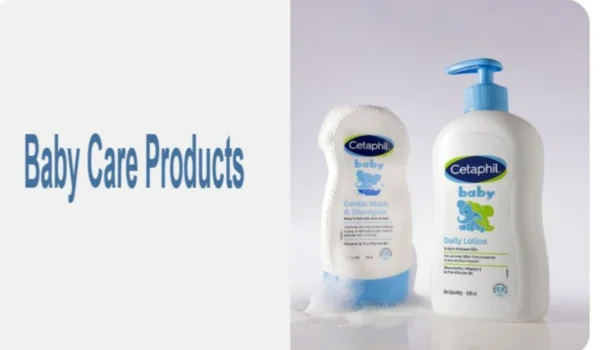
Cetaphil’s baby range is built around the core principles of gentleness and barrier support that infant skincare requires, with formulations tested for suitability for sensitive baby skin. The full range of baby care products available through Cetaphil India, including washes, moisturizers, and protective creams suited to different stages of infant skincare, is available through the baby skincare page.
Practical Skincare for Different Baby Skin Situations
Cradle cap, which is a scaly, yellowish crust that appears on the scalp of many newborns, is a common and temporary condition that reflects the immaturity of the scalp’s oil gland regulation rather than poor hygiene or a skin condition. Gentle washing with a soft cloth and a mild, soap-free wash is usually sufficient to manage it without aggressive scrubbing or specialized products.
Nappy rash is another common situation in the first year. The skin in the nappy area is exposed to prolonged contact with moisture, which weakens the barrier and makes it more susceptible to irritation and infection. A barrier cream applied at each nappy change protects the skin from that prolonged moisture contact, and changing nappies frequently enough to prevent prolonged exposure addresses the cause rather than only the symptoms.
Eczema in babies, which appears as dry, itchy, inflamed patches most commonly on the face and body folds, benefits from consistent daily moisturizing with a fragrance-free, barrier-supporting formulation even when the skin appears calm. The moisturizing routine is not only a response to visible dryness. It is the ongoing maintenance of a barrier that is prone to disruption, and consistency makes more difference than the specific product in most cases.
The most reliable approach to baby skincare is a simple one. A gentle, fragrance-free wash, a daily moisturizer applied after bathing while the skin is still slightly damp, and a protective barrier cream for areas of prolonged moisture contact cover the core needs of most babies without requiring a complicated routine.