Waterproofing is not a luxury in Indian homes—it’s a necessity. From heavy monsoon rains to extreme summer heat and high humidity, Indian weather conditions put constant stress on buildings. Without proper waterproofing, you’ll likely face problems like damp walls, roof leakage, peeling paint, and even structural damage.
The good news is that many waterproofing issues can be solved using low-cost DIY techniques, while more serious problems can be handled with professional methods. This guide will help you understand causes, solutions, costs, and step-by-step processes in a simple and practical way.
Causes of Waterproofing Problems in India
- Heavy Rainfall & Monsoon Exposure
During monsoon, continuous rainfall leads to water accumulation on roofs and walls. Over time, water penetrates through cracks and weak points.
- High Humidity
Humidity levels in India often exceed 70–90%, which accelerates dampness, mold growth, and seepage inside walls.
- Poor Construction Quality
- Incorrect cement ratio
- No waterproofing layer
- Poor slope on roofs
These issues allow water to enter easily within a few years.
- Cracks and Structural Movement
Buildings expand in heat and contract during rains, creating cracks that allow water seepage.
- Blocked Drainage System
Clogged outlets cause water stagnation, one of the biggest reasons for terrace leakage.
Types of Waterproofing Areas in Homes
Before choosing a solution, identify where the problem exists:
- Roof / Terrace (most common)
- External walls
- Bathrooms & kitchens
- Basement or foundation
Each area requires a different approach.
DIY Waterproofing Solutions (Budget-Friendly)
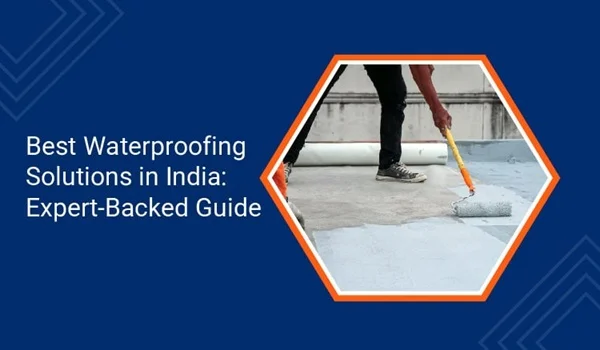
These are ideal for minor leakage and preventive maintenance.
1. Cement-Based Waterproofing (Simple & Cheap)
Best for: Small cracks, walls
Materials:
- Cement + sand
- Waterproofing liquid
Steps:
- Clean surface
- Mix waterproof liquid with cement
- Apply 2 coats
- Allow curing
Cost: ₹20–₹40 per sq.ft
2. Liquid Waterproofing Coating
Best for: Roofs, balconies
This is one of the most popular DIY methods in India.
Steps:
- Clean surface thoroughly
- Apply primer
- Apply 2–3 coats of liquid membrane
- Let it dry
Cost: ₹25–₹60 per sq.ft
Benefits:
- Easy to apply
- Flexible and crack-resistant
- Works well for mild seepage
3. Bitumen (Tar) Coating
Best for: Old roofs
Steps:
- Heat bitumen and apply evenly
- Add protective layer (sand/tiles)
Cost: ₹25–₹50 per sq.ft
Drawback: Needs maintenance every few years
4. Crack Filling with Sealant
Best for: Hairline cracks
Use waterproof sealants or white cement to fill cracks before coating.
5. Brick Bat Coba (Traditional Method)
Best for: Indian terraces
- Uses broken bricks + cement
- Creates slope and waterproof layer
Cost: ₹40–₹80 per sq.ft
Professional Waterproofing Solutions
For long-term protection or severe leakage:
- Polyurethane (PU) Coating
- Cost: ₹140–₹300 per sq.ft
- Best for: Long-term durability
- Highly flexible and UV resistant
- Bituminous Membrane (Torch-On)
- Cost: ₹80–₹160 per sq.ft
- Best for: Heavy leakage
- Lifespan: 5–10 years
- Cementitious Waterproofing
- Cost: ₹20–₹40 per sq.ft
- Best for: Bathrooms, basements
- Crystalline Waterproofing
- Cost: ₹35–₹60 per sq.ft
- Best for: Concrete structures
- Long-lasting internal protection
- Injection Grouting
- Best for: Deep cracks
- Cost varies depending on damage
Comparison of Waterproofing Methods
| Method | Cost (₹/sq.ft) | Durability | Best Use |
| Liquid Coating | 25–60 | Medium | Roofs, balconies |
| Cementitious | 20–40 | Medium | Bathrooms |
| Bitumen | 25–50 | Medium | Old roofs |
| Membrane | 80–160 | High | Heavy leakage |
| PU Coating | 140–300 | Very High | Premium solution |
Overall waterproofing costs in India range from ₹15 to ₹300 per sq.ft depending on method and condition.
Step-by-Step DIY Waterproofing Process
Step 1: Identify Problem Area
Check roof, walls, and bathrooms for damp spots or cracks.
Step 2: Clean Surface
- Remove dust, algae, and loose material
- Ensure surface is dry
Step 3: Repair Cracks
- Use sealant or cement mixture
- Fill gaps properly
Step 4: Apply Waterproofing Material
- Choose method based on budget
- Apply 2–3 coats evenly
Step 5: Curing & Testing
- Let it dry completely (24–48 hours)
- Test during rainfall
Materials Required
| Material | Cost |
| Cement (50kg bag) | ₹350–₹450 |
| Waterproof chemical | ₹200–₹1500 |
| Liquid membrane (20L) | ₹1000–₹3000 |
| Bitumen | ₹40–₹70/kg |
| Labour | ₹20–₹80 per sq.ft |
Maintenance Tips (Very Important)
- Inspect home before monsoon every year
- Clean roof drains regularly
- Repair cracks immediately
- Reapply coating every 3–5 years
- Ensure proper slope for water flow
Key takeaway: Even the best materials fail without proper application and drainage.
DIY vs Professional: What Should You Choose?
| Situation | Recommendation |
| Small cracks | DIY |
| Mild seepage | DIY coating |
| Heavy leakage | Professional |
| Old building (10+ years) | Professional |
FAQs
Q: What is the best waterproofing method for Indian homes?
A: Liquid waterproofing is best for budget solutions, while PU coating is best for long-term durability.
Q: Can I do waterproofing myself?
A: Yes, for minor issues. For major leakage, hire professionals.
Q: How long does waterproofing last?
A: Liquid coating: 3–5 years
Membrane: 5–10 years
PU coating: 8–12 years
Q: What is the cheapest waterproofing method?
A: Cement-based waterproofing is the most affordable.
Q: When is the best time to waterproof?
A: October to May (dry season) is ideal for best results.
Conclusion
Waterproofing is one of the smartest investments for Indian homeowners. The combination of heavy rains, humidity, and construction flaws makes homes highly vulnerable to water damage.
For small problems, DIY solutions like liquid coating and crack filling can save money and work effectively. But for long-term protection or severe leakage, professional waterproofing methods like PU coating or membranes are worth the investment.
The key is simple:
👉 Identify the problem early
👉 Choose the right method
👉 Maintain regularly
By following this guide, you can protect your home from leaks, save repair costs, and ensure a dry, healthy living space for years to come.