Electricity runs everything in a modern Indian home—from fans and lights to refrigerators and Wi-Fi routers. But when something small goes wrong—like a loose switch, flickering light, or dead socket—it can feel frustrating and even risky. The good news? You don’t always need to call an electrician for minor issues.
With the right tools, basic knowledge, and safety precautions, many small electrical problems can be fixed at home—saving both time and money. This guide will walk you through essential DIY electrical repairs every homeowner in India should know, in a simple and beginner-friendly way.
🔧 Common Electrical Problems at Home
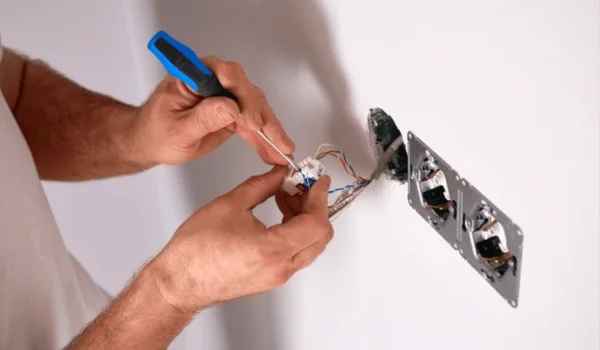
Before jumping into repairs, it’s important to understand the typical issues you might face:
- Loose or non-working switches
- Flickering or dim lights
- Dead power sockets
- Frequent tripping of MCB (Miniature Circuit Breaker)
- Loose wiring connections
- Faulty ceiling fan regulator
- Burnt fuse or plug
These problems usually happen due to wear and tear, poor wiring, or voltage fluctuations—common in many Indian homes.
🧰 Tools and Materials You’ll Need
Here’s a basic toolkit for DIY electrical repairs:
Essential Tools:
- Insulated screwdriver set
- Voltage tester (test pen)
- Wire stripper/cutter
- Insulation tape
- Nose plier
- Multimeter (optional but useful)
Materials:
- Replacement switches/sockets
- Electrical wires (1.5 sq mm or as needed)
- Plug tops
- MCB (if replacing)
- Wire connectors or terminal blocks
💰 Estimated Cost in India: ₹500 – ₹2,000 (one-time investment for tools)
⚠️ Safety Precautions (VERY IMPORTANT)
Electricity is dangerous if handled carelessly. Always follow these rules:
- Switch OFF the main power supply before starting any repair
- Use insulated tools only
- Never touch wires with wet hands
- Wear rubber slippers while working
- Test wires with a voltage tester before touching
- Avoid working alone—have someone nearby
👉 If you feel unsure at any step, stop immediately and call a professional.
🔌 DIY Repair #1: Fixing a Loose or Faulty Switch
Problem:
Switch doesn’t work or feels loose.
Steps:
- Turn OFF the main power supply
- Remove the switchboard cover using a screwdriver
- Check for loose wires behind the switch
- Tighten screws or reconnect wires properly
- If switch is damaged, replace it with a new one
- Fix the board back and turn ON power
💰 Cost: ₹50 – ₹150 per switch
💡 DIY Repair #2: Fixing Flickering Lights
Problem:
Light flickers or dims frequently.
Causes:
- Loose connection
- Faulty bulb or holder
- Voltage fluctuation
Steps:
- Switch OFF power
- Remove the bulb and check holder connections
- Tighten loose wires
- Replace bulb if needed
- Switch ON and test
💰 Cost: ₹20 – ₹200
🔌 DIY Repair #3: Repairing a Dead Socket
Problem:
Plug point not working.
Steps:
- Turn OFF main power
- Open the socket plate
- Check wiring (live, neutral, earth)
- Tighten loose wires
- Replace socket if burnt or damaged
- Close and test
💰 Cost: ₹100 – ₹250
⚡ DIY Repair #4: Resetting or Replacing MCB
Problem:
Power trips frequently.
Steps:
- Locate distribution board
- Check which MCB has tripped (in down position)
- Switch it OFF and then ON again
- If it keeps tripping:
- Disconnect heavy appliances
- Check for overload
- Replace MCB if faulty
💰 Cost: ₹200 – ₹500
🔌 DIY Repair #5: Fixing a Plug Top
Problem:
Plug not working or wire damaged.
Steps:
- Open the plug top
- Strip wire ends properly
- Connect wires:
- Red (Live)
- Black (Neutral)
- Green (Earth)
- Tighten screws firmly
- Close plug and test
💰 Cost: ₹50 – ₹150
🌀 DIY Repair #6: Repairing a Ceiling Fan Regulator
Problem:
Fan speed not changing.
Steps:
- Turn OFF power
- Open switchboard
- Remove faulty regulator
- Install new regulator
- Connect wires correctly
- Test fan speed
💰 Cost: ₹150 – ₹400
💸 Estimated Total DIY Savings
Hiring an electrician for each small job can cost ₹150–₹500 per visit. By doing these yourself:
👉 You can save ₹1,000–₹5,000 annually
👷 When to Call a Professional Electrician
DIY is good—but not for everything. Call an expert if:
- Wiring inside walls is damaged
- Burning smell from wires
- Frequent short circuits
- Main board issues
- Inverter or heavy appliance problems
- Water leakage near electrical points
👉 Electrical fires and shocks are serious—don’t take risks.
❌ Common Mistakes to Avoid
- ❌ Not switching OFF main power
- ❌ Using cheap quality materials
- ❌ Ignoring earthing wire
- ❌ Overloading a single socket
- ❌ Loose wire connections
- ❌ Working with wet hands
- ❌ Guessing wiring connections
👉 Always double-check before turning power back ON.
❓ FAQs
- Can I fix electrical issues without experience?
Yes, but only minor issues like switches and plugs. Avoid complex wiring.
- How do I know if power is off?
Use a voltage tester to confirm.
- Is it safe to replace MCB myself?
Yes, if you follow safety steps. Otherwise, call an electrician.
- What wire size is used in homes?
Usually 1.5 sq mm for lights and 2.5 sq mm for sockets.
- How often should wiring be checked?
Every 5–10 years in Indian homes.
🏁 Conclusion
DIY electrical repairs can make you more independent and save money—but safety should always come first. Start with small tasks like fixing switches, sockets, or plug tops. With practice, you’ll gain confidence and handle basic repairs easily.
However, never hesitate to call a professional for complex issues. A small mistake in electrical work can lead to serious damage or injury.
👉 Think smart: Do small repairs yourself, but leave big risks to experts.