Vishal Mega Mart is one of India’s most successful value retail chains, operating on a high-volume, low-margin business model that targets India’s growing middle and lower-middle-class consumers. Known for its aggressive pricing, wide product range, and presence in Tier 2 and Tier 3 cities, Vishal Mega Mart has built a strong foothold by solving the real-world retail problems of affordability, accessibility, and convenience.
Its business model revolves around offering fashion, grocery, home essentials, and lifestyle products at highly competitive prices, driving massive footfall and repeat purchases. By blending efficient supply chain management, private-label strategy, and data-driven merchandising, Vishal Mega Mart has created a model that works exceptionally well in India’s rapidly urbanizing and price-sensitive market.
This article breaks down how the business model solves customer problems, the complete customer journey, revenue streams, and why the model is so sustainable and profitable.
The Problem & Customer Pain Points
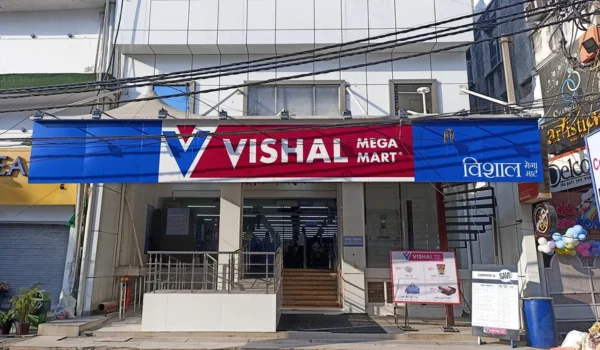
India’s retail landscape has historically been fragmented. For decades, customers relied on local shops that often lacked variety, price transparency, and consistent quality. As urbanization grew, so did the demand for affordable, one-stop retail experiences. However, several customer pain points emerged:
Key Problems in the Indian Retail Market
- High and inconsistent pricing at local shops.
- Limited product choice, especially in Tier 2–3 cities.
- Absence of branded yet affordable clothing for middle-income families.
- No single destination for grocery + fashion + household needs.
- Poor shopping experience, with no trial rooms, parking, or quality assurance.
- Inflation and rising cost of living, pushing families toward budget retail.
Vishal Mega Mart identified this gap early: India needed a large-format, affordable retail chain that offered everything under one roof—at prices the mass market could actually afford. By addressing these problems strategically, Vishal Mega Mart positioned itself as India’s value retail champion, offering low-cost fashion, homeware, food items, and FMCG products with consistent quality and transparency.
The Solution & Customer Journey
Vishal Mega Mart’s business model revolves around delivering affordable, accessible, and trustworthy retail through efficient operations. Here’s how the value creation journey unfolds from the customer’s perspective:
Step 1: Problem — Need for Affordable, Trusted Retail
A typical middle-class shopper is looking for:
- Affordable clothing for the family
- Monthly groceries at low prices
- Decent quality home items
- A reliable shopping experience
Step 2: Awareness — Store Proximity & Promotions
Most Vishal Mega Mart stores are located in:
- High-footfall areas
- Densely populated Tier 2–3 towns
- Near residential clusters
Frequent ads, discounts, and outdoor signages attract price-sensitive shoppers.
Step 3: Entry & Navigation — One-Stop Shopping
The store layout is designed to push customers into value discovery mode:
- Ground floor: groceries and FMCG (for quick needs)
- Upper floors: fashion, home items, kitchenware, footwear
Customers end up exploring multiple categories, increasing basket size.
Step 4: Affordability — The Core Value Proposition
Vishal Mega Mart ensures affordability through:
- Private labels
- Bulk procurement
- Efficient warehousing
- Low margins, high volumes
This helps customers feel that they are getting more value for less money.
Step 5: Purchase Satisfaction — Savings + Convenience
Customers leave with:
- Big savings
- All items under one roof
- A trustworthy shopping experience
The emotional benefit is strong: “I saved money and bought everything the family needs.”
This cycle drives repeat visits and customer loyalty, making the model extremely strong.
How Vishal Mega Mart Makes Money (300–350 words)
Vishal Mega Mart earns revenue from product sales, but the real magic lies in how it structures margins, supply chain, and private labels to maintain profitability.
✔ Revenue Streams
| Revenue Source | Description |
| 1. Retail Sales | Primary revenue from fashion, food, grocery, and household products. |
| 2. Private Label Products | High-margin items in apparel, home goods, and essentials. |
| 3. Vendor Allowances | Payments from brands for shelf space, promotions, and visibility. |
| 4. Bulk Purchase Discounts | Profit gains from sourcing at significantly lower rates. |
| 5. Seasonal Sales & Stock Clearance | Flash sales increase volume-based revenue. |
✔ Pricing Strategy
Vishal Mega Mart uses a value-based pricing strategy, keeping prices lower than competitors to attract mass-market consumers.
Key pricing approaches:
- Everyday low prices (EDLP)
- Festival and seasonal discounts
- Combo/Bundle pricing (e.g., 2 shirts at ₹399)
- Private label pricing (lower price, higher margin)
✔ Unit Economics Breakdown
| Component | How Vishal Mega Mart Optimizes It |
| CAC (Customer Acquisition Cost) | Extremely low due to walk-in traffic, local marketing, and store visibility. |
| AOV (Average Order Value) | Increased through cross-category shopping. |
| LTV (Lifetime Value) | Higher due to repeat monthly and seasonal purchases. |
| Gross Margins | 25–40% overall, driven by private labels and volume sales. |
| Operating Costs | Controlled with smaller store sizes and high inventory turnover. |
The Profit Engine
The main profit drivers include:
- Private labels (much higher margins than branded items)
- High inventory turnover in groceries and FMCG
- Low acquisition cost due to local retail presence
- Large-volume sales in fashion
In short, Vishal Mega Mart keeps margins low but compensates with massive sales volume, making the model both sustainable and highly profitable.
Case Study
Case Study: A Typical Customer Journey — “The Singh Family from Kanpur”
The Singh family, a middle-class household, plans their monthly shopping trip. Their priorities are:
- Affordable clothing for kids
- Monthly groceries
- Home essentials
- Staying within a fixed budget
They visit Vishal Mega Mart, attracted by promotions like “Flat 50% on Winter Wear” and “Monthly Grocery Bonanza.”
Inside the store:
- They pick up kids’ T-shirts priced at ₹199 (private label).
- They buy groceries like rice, oil, and detergents bundled in discount combos.
- They browse home sections and add bedsheets and cookware, all marked with attractive price tags.
Final bill:
They end up buying 24 items for ₹5,200, compared to around ₹7,500 had they purchased from local shops and branded stores.
Revenue Impact for the Business
- Private label clothing generates higher margins.
- Grocery basket ensures volume sales.
- Cross-category shopping increases AOV and LTV.
This example shows how Vishal Mega Mart creates value for customers while simultaneously boosting profitability through a mix of volume, pricing, and private-label margins.
Takeaways
Vishal Mega Mart’s business model thrives because it deeply understands India’s value-driven consumers. By offering affordable products, smart private labels, efficient supply chain operations, and one-stop convenience, the brand has built strong customer loyalty.
Its low-margin, high-volume strategy ensures consistent cash flow, while vendor partnerships and private labels boost profitability.
For entrepreneurs and business students, Vishal Mega Mart is a powerful example of how deep market understanding + operational efficiency = long-term retail success in India’s mass market.