A CIBIL score is one of the most important numbers for your financial life in India. Whether you want a home loan, car loan, credit card, or even a personal loan, banks always check your CIBIL score before approving your application. A good score means easy approval and low interest rates, while a low score can cause rejection or higher interest charges.
In this guide, you will learn what a CIBIL score is, how it is calculated, why it matters, and the fastest ways to improve your score. The language is kept simple to help every Indian reader understand easily.
What is a CIBIL Score?
A CIBIL score is a 3-digit number between 300 and 900 that shows your creditworthiness. It is issued by TransUnion CIBIL, India’s leading credit bureau.
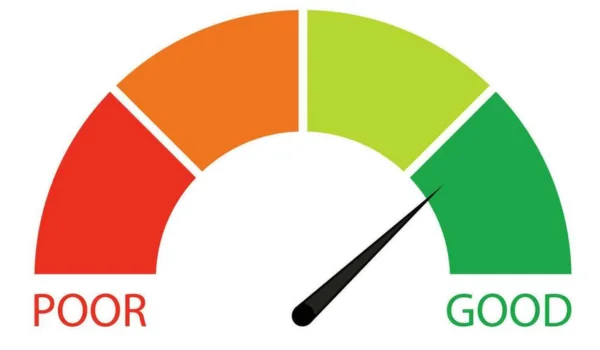
- 300–549 = Poor
- 550–649 = Average
- 650–749 = Good
- 750–900 = Excellent
Banks and NBFCs use this score to decide whether you are a safe borrower.
Why is the CIBIL Score Important?
Banks use your score to understand how you handled loans and credit cards in the past. A higher score means you are financially disciplined.
How It Affects You
- Faster loan approvals
- Lower interest rates
- Higher loan amounts
- Better credit card offers
- Pre-approved loans
A low score can lead to rejections, high interest rates, or security deposits.
How CIBIL Score is Calculated
Your score is calculated using multiple financial factors. Below is an easy-to-understand table:
| Factor | Weightage | What It Means |
| Payment History | 35% | Whether you pay EMI and credit card bills on time |
| Credit Utilization | 30% | How much limit you use from total credit |
| Length of Credit History | 15% | How long you have been using loans or credit cards |
| Mix of Credit | 10% | Secured (home/car loan) + unsecured loans (personal loan/credit card) |
| New Credit Enquiries | 10% | How many times you apply for credit |
Benefits of Having a Good CIBIL Score
- Easy Loan Approvals
Banks trust borrowers with a high credit score, so your loan process becomes smooth.
- Low Interest Rates
A higher score saves money by reducing your loan EMI.
- Higher Credit Card Limits
You can enjoy more purchasing power and better benefits.
- Access to Premium Credit Cards
Banks offer travel, rewards, and cashback cards to customers with high CIBIL scores.
- Pre-Approved Loan Offers
You can get instant personal loans or credit cards from banks or apps.
Drawbacks of Having a Low CIBIL Score
- Difficulty getting loans
- Higher interest rates
- Rejection of credit card applications
- Need to provide guarantor or security
- Lower loan or credit limit
How to Check Your CIBIL Score for Free
You can check your score for free once a year on the official CIBIL website.
Steps:
- Visit the official CIBIL website.
- Create an account using your mobile number and PAN card.
- Verify OTP.
- View your score and credit report.
You can also check through many banks and financial apps.
Fastest Ways to Improve Your CIBIL Score
Here are the proven, fast, and practical steps that really work in India.
- Pay Your EMIs and Credit Card Bills on Time
This is the biggest factor (35%) in your score.
- Always pay before the due date.
- Set auto-pay for EMIs
- Avoid minimum payment, clear full credit card bill
Even two late payments can drop your score drastically.
- Keep Credit Utilization Below 30%
Credit utilization means the amount you use from your card limit.
Example:
If your card limit is ₹50,000, try to use only ₹15,000 or less.
Using 80–90% of the limit shows bad credit behavior and reduces your score.
- Maintain a Long Credit History
The longer you use loans and credit cards, the better.
Do not close your oldest credit card, as it helps your score improve.
- Avoid Too Many Loan or Credit Card Applications
Every time you apply for credit, banks check your score (hard enquiry).
Too many applications = risk = lower score.
Ideal: Maximum 2–3 applications per year.
- Keep a Good Mix of Loans
A healthy combination of:
- Secured loans – home loan, car loan
- Unsecured loans – personal loan, credit card
This helps banks understand that you manage different credit types responsibly.
- Clear Outstanding Dues or Settlements
If you have overdue loans or settled accounts, try to clear them completely.
Raise a request with your bank to update the status as “Closed” instead of “Settled”.
This instantly improves your score.
- Check Your Credit Report for Errors
Sometimes, wrong information reduces your score.
Common errors include:
- Wrong outstanding balance
- Loan showing unpaid even after closure
- Duplicate loans
- Incorrect PAN number
If you find errors, raise a dispute on the CIBIL website.
- Increase Your Credit Limit (But Don’t Spend It)
Ask the bank to increase your credit card limit.
This helps reduce credit utilization and improves score faster.
Step-by-Step Guide to Improve CIBIL Score Quickly
| Step | Action | Impact |
| 1 | Pay all EMIs and credit card bills on time | Highest impact |
| 2 | Reduce credit usage to below 30% | Fast improvement |
| 3 | Avoid new loans unless necessary | Stops score drop |
| 4 | Clear old dues and settlements | Big jump in score |
| 5 | Keep old accounts active | Builds long credit history |
| 6 | Check report for errors annually | Prevent score dip |
| 7 | Maintain balanced credit types | Improves reliability |
| 8 | Increase credit limit | Reduces utilization ratio |
How Long Does It Take to Improve Your CIBIL Score?
- 5–20 points → 1 month
- 50–100 points → 3–6 months
- 100+ points → 6–12 months
It depends on how disciplined you are.
FAQs About CIBIL Score
- What is a good CIBIL score for a loan?
A score of 750+ is ideal for faster approval and lower interest rates.
- Does checking my score reduce it?
No. Soft inquiries do not affect your score. Only loan applications (hard inquiries) reduce it.
- How can beginners build a good score?
Start with a credit card, use it wisely, and pay bills on time.
- Can I get a loan with a low score?
Yes, but interest rates will be higher. Some NBFCs offer loans but charge more.
- Does closing a credit card reduce score?
Yes, especially if it was your oldest card.
- Is CIBIL the only credit bureau?
No. Others include Experian, CRIF Highmark, and Equifax.
- Does paying minimum amount affect score?
Yes. Always pay full bill, not minimum amount.
Conclusion
A CIBIL score is a vital part of your financial journey. Whether you want a home loan, personal loan, or credit card, lenders always check your credit score. By maintaining timely payments, reducing credit usage, avoiding multiple applications, and monitoring your credit report regularly, you can quickly improve your CIBIL score.
Remember:
A high CIBIL score = more financial freedom + lower interest rates.
If you maintain good habits today, your future financial opportunities will grow automatically.