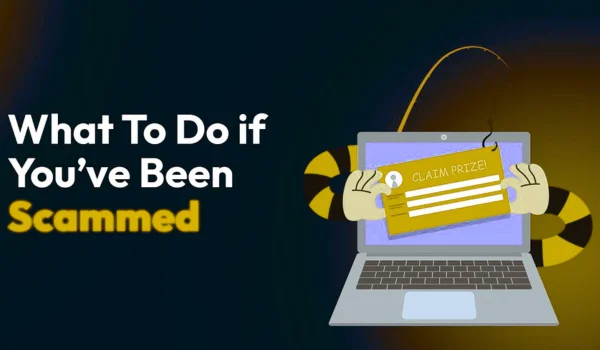
If you are scammed online in India, immediately call 1930 (Cyber Crime Helpline) and report the incident on cybercrime.gov.in. Inform your bank or wallet provider right away to block transactions, collect all evidence (screenshots, messages, transaction details), and file an FIR at your nearest police station. Acting quickly—especially within the first few hours—can help recover your money.
Online scams are increasing in India—whether it’s fake shopping websites, UPI fraud, OTP scams, or job scams. The good news is that quick action can save your money and help authorities catch the fraudsters.
This guide explains exactly what to do, step-by-step, in simple language so you don’t panic and take the right actions.
Step-by-Step: What to Do Immediately After an Online Scam
Step 1: Call the Cyber Crime Helpline (1930)
This is the most important step.
- Dial 1930 immediately
- Provide transaction details and explain the scam
- Request them to freeze the fraudulent transaction
👉 This helpline is managed under the Indian Cyber Crime Coordination Centre (I4C).
⏱️ Best Time to Call: Within 1–2 hours of the fraud
Step 2: Report on the Cyber Crime Portal
Visit the official website:
👉 National Cyber Crime Reporting Portal
Steps:
- Click on “Report Cyber Crime”
- Choose appropriate category (financial fraud, social media scam, etc.)
- Fill in details
- Upload proof
- Submit and note complaint number
Step 3: Inform Your Bank or Payment App
Immediately contact your:
- Bank
- UPI app (PhonePe, Google Pay, Paytm, etc.)
- Credit/debit card provider
Request:
- Block your account or card
- Freeze the transaction
- Raise a fraud dispute
👉 Many banks can reverse transactions if reported quickly.
Step 4: Collect All Evidence
Gather proof such as:
- Screenshots of chats/emails
- Transaction receipts
- Bank statements
- Phone numbers or links used by scammer
👉 Strong evidence increases your chances of recovery.
Step 5: File an FIR at Police Station
Visit your nearest police station and file an FIR.
- Carry all documents
- Clearly explain the fraud
- Request FIR for financial cybercrime
👉 You can also approach the cyber cell.
Step 6: Follow Up Regularly
- Track complaint status online
- Stay in touch with investigating officer
- Respond quickly if more details are required
Types of Common Online Scams in India
Be aware of these common scams:
- UPI collect request scams
- Fake job offers
- Online shopping fraud
- Loan app scams
- OTP and phishing scams
- Social media impersonation
👉 Knowing the type helps you report correctly.
Legal Procedure Explained Simply
Here’s what happens after you report:
- Complaint is registered
- Authorities try to freeze the money trail
- Bank accounts of scammers may be blocked
- Police investigate digital evidence
- Case may go to court
👉 The faster you act, the better your chances of recovery.
Fees and Charges
- Reporting on helpline (1930) → FREE
- Filing complaint on portal → FREE
- FIR registration → FREE
👉 No authority should charge you money.
Timelines You Should Know
- Immediate Action Window: First 24 hours (critical)
- Transaction Freeze: Within hours (if reported quickly)
- Investigation: Few weeks to months
- Recovery: Depends on case and timing
👉 Delays reduce chances of getting money back.
Authority Details
- Cyber Crime Helpline (1930) → First contact
- Indian Cyber Crime Coordination Centre (I4C) → National-level coordination
- National Cyber Crime Reporting Portal → Online complaint system
- Local Police Station / Cyber Cell → FIR and investigation
- Banks / RBI Guidelines → Financial protection
What If Your Money Is Not Recovered?
Even if recovery doesn’t happen:
- Your complaint helps track fraud networks
- Authorities can prevent future scams
- You can pursue legal action
👉 Don’t ignore the scam—reporting is still important.
Tips to Avoid Rejection or Mistakes
- ✔ Report immediately (don’t wait)
- ✔ Provide correct transaction details
- ✔ Upload clear screenshots
- ✔ Use same mobile number linked with bank
- ✔ Don’t hide facts or feel embarrassed
- ✔ Keep complaint number safe
👉 Mistakes or incomplete details can delay action.
Checklist: What You Need Before Reporting
Use this checklist:
- ☐ Bank transaction details
- ☐ Screenshots of scam
- ☐ Phone numbers / email IDs used
- ☐ Date and time of fraud
- ☐ ID proof
- ☐ Complaint draft
- ☐ Internet access (for online reporting)
Important Safety Tips (Prevention)
To avoid future scams:
- Never share OTP or PIN
- Don’t click unknown links
- Verify before sending money
- Avoid unknown job or loan offers
- Check website authenticity
👉 Prevention is always better than recovery.
Frequently Asked Questions (FAQs)
- Can I get my money back after an online scam?
Yes, if you report quickly (especially within hours), there is a chance of recovery.
- What is 1930 helpline?
It is India’s official cybercrime helpline for reporting financial frauds.
- Is it necessary to file FIR?
Yes, for serious scams, FIR helps in legal investigation and recovery.
- Can I report cybercrime online?
Yes, through the National Cyber Crime Reporting Portal.
- What if I delay reporting?
Recovery chances become very low if delayed.
- Do I need a lawyer?
No, initial complaint and FIR can be filed without a lawyer.
- Can police track scammers?
Yes, through digital evidence, bank accounts, and IP tracking.
Conclusion
Getting scammed online can be stressful, but quick and correct action can make a big difference. The key steps are simple:
- Call 1930 immediately
- Report on official portal
- Inform your bank
- File FIR
Time is the most important factor. The sooner you act, the higher your chances of stopping the fraud and recovering your money.
Stay alert, stay informed, and always double-check before making online payments.