Diabetes is one of the fastest-growing health concerns in India, driven by sedentary lifestyles, high-carb diets, stress, and genetic factors. Whether you have prediabetes, Type 2 diabetes, or want to prevent it, the most powerful tool you have is your diet.
The good news? You don’t need expensive “diabetic foods” or imported superfoods. India already has a rich variety of affordable, traditional foods that can help control blood sugar naturally—if used correctly.
This guide covers the best foods for diabetes control in India, how they work scientifically, what to avoid, and how to build a practical Indian diet.
🧠 Understanding Diabetes
Diabetes occurs when your body either:
- Doesn’t produce enough insulin, or
- Cannot use insulin properly (insulin resistance)
👉 Insulin helps move sugar (glucose) from blood into cells.
👉 When it doesn’t work properly, blood sugar levels rise.
Key Goal:
Control blood sugar spikes and maintain stable glucose levels throughout the day.
🥗 Best Foods for Diabetes Control in India
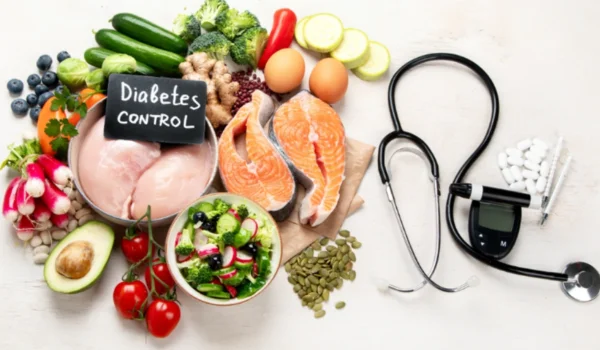
🌾 1. Whole Grains (Low Glycemic Index Foods)
Examples:
- Brown rice
- Oats
- Whole wheat (atta)
- Barley (jau)
- Millets (ragi, jowar, bajra)
Why they help:
- Rich in fiber → slow digestion → gradual sugar release
- Prevent sudden spikes in blood sugar
👉 Tip:
Replace white rice and maida with millets or whole grains.
🥬 2. Green Leafy Vegetables
Examples:
- Spinach (palak)
- Fenugreek leaves (methi)
- Bathua
- Cabbage
Benefits:
- Low in calories and carbs
- High in fiber and antioxidants
👉 Special mention:
Methi leaves help improve insulin sensitivity.
🍶 3. Fenugreek Seeds (Methi Dana)
One of the most powerful Indian remedies.
How it works:
- Contains soluble fiber
- Slows sugar absorption
👉 How to use:
- Soak 1 tsp overnight and drink in morning
- Add to sabzi or powder
🧄 4. Garlic (Lehsun)
Benefits:
- Improves insulin sensitivity
- Reduces blood sugar levels
👉 Best consumed raw (1–2 cloves daily)
🧅 5. Onion
- Helps reduce fasting blood sugar
- Rich in antioxidants
👉 Use in salads or cooking
🥒 6. Bitter Gourd (Karela)
Known as a natural insulin-like food.
Why it works:
- Contains compounds that mimic insulin
- Helps lower glucose levels
👉 How to use:
- Karela juice (in moderation)
- Sabzi form
🍋 7. Amla (Indian Gooseberry)
- Rich in Vitamin C
- Helps pancreas function better
👉 Use:
- Amla juice
- Raw or powder
🥛 8. Curd (Dahi) & Buttermilk
Benefits:
- Good for gut health
- Improves digestion and metabolism
👉 Choose:
- Unsweetened, homemade curd
🫘 9. Pulses & Legumes
Examples:
- Moong dal
- Chana
- Rajma
- Masoor dal
Why important:
- High in protein and fiber
- Keeps you full and prevents overeating
🥜 10. Nuts & Seeds
Examples:
- Almonds
- Walnuts
- Flaxseeds
- Chia seeds
Benefits:
- Healthy fats
- Control hunger and sugar spikes
👉 Eat in moderation (small handful)
🍎 11. Low-Glycemic Fruits
Not all fruits are bad for diabetes.
Safe options:
- Apple
- Guava
- Papaya
- Orange
- Pear
Avoid or limit:
- Mango
- Banana
- Grapes
👉 Always eat fruits whole, not juice
🧂 12. Cinnamon (Dalchini)
Benefits:
- Improves insulin sensitivity
- Helps lower fasting sugar
👉 Use:
- Add in tea or warm water
🍽️ Sample Indian Diabetes-Friendly Plate
A balanced meal should include:
- 50% vegetables
- 25% protein (dal, paneer, eggs)
- 25% whole grains
👉 Example:
- 2 multigrain rotis
- Mixed vegetable sabzi
- Bowl of dal
- Salad + curd
🚫 Foods to Avoid or Limit
To control diabetes, avoiding certain foods is equally important.
❌ Refined Carbs
- White rice
- Maida (bread, noodles, bakery items)
❌ Sugary Foods
- Mithai
- Soft drinks
- Packaged juices
❌ Fried & Junk Food
- Samosa, pakora
- Chips, fast food
❌ Excess Salt & Processed Food
- Pickles (in excess)
- Packaged snacks
🧪 Scientific Explanation: Why These Foods Work
- Glycemic Index (GI)
- Low GI foods release sugar slowly
- Prevent spikes in blood sugar
- Fiber Content
- Slows digestion
- Improves glucose control
- Protein & Healthy Fats
- Reduce hunger
- Stabilize sugar levels
- Insulin Sensitivity Boosters
- Foods like methi, cinnamon improve insulin action
🕒 Meal Timing Tips (Very Important)
- Eat small meals every 3–4 hours
- Never skip breakfast
- Avoid late-night eating
- Maintain consistent meal timings
🧘 Lifestyle Tips Along with Diet
Diet alone is not enough.
✔ Exercise Daily
- 30 minutes walking
- Yoga or light workout
✔ Maintain Healthy Weight
- Even 5–10% weight loss helps
✔ Manage Stress
- Meditation
- Deep breathing
✔ Sleep Well
- 7–8 hours daily
⚠️ Common Mistakes Diabetic Patients Make
- Skipping meals
- Overeating “healthy” foods
- Drinking fruit juices
- Ignoring portion control
- Relying only on medicines
🧠 Myth vs Reality
Myth 1: “Diabetics cannot eat rice”
❌ Wrong
✔️ Can eat in small quantity (prefer brown rice)
Myth 2: “Sugar-free products are safe”
❌ Not always
✔️ Many contain harmful additives
Myth 3: “Fruits increase diabetes”
❌ Wrong
✔️ Only high-sugar fruits should be limited
Myth 4: “Herbal remedies can cure diabetes”
❌ Wrong
✔️ They help control, not cure
❓ FAQs
Q1: Which is the best breakfast for diabetes in India?
👉 Oats, vegetable poha, besan chilla, or idli with sambar
Q2: Can diabetics eat roti?
👉 Yes, prefer multigrain or millet roti
Q3: Is milk safe for diabetes?
👉 Yes, in moderate quantity (without sugar)
Q4: How many meals should a diabetic eat?
👉 4–5 small meals per day
Q5: Is jaggery better than sugar?
❌ No
✔️ Both raise blood sugar
✅ Final Thoughts
Managing diabetes in India doesn’t require drastic changes or expensive diets. It’s about making smarter choices with everyday foods—choosing whole grains over refined carbs, adding fiber-rich vegetables, and maintaining portion control.
Consistency is the key. A disciplined diet combined with regular physical activity and stress management can significantly improve blood sugar control and overall health.
⚠️ Disclaimer
This article is for informational and educational purposes only and is not a substitute for professional medical advice, diagnosis, or treatment. Diabetes is a serious medical condition, and dietary needs may vary from person to person depending on age, medications, health status, and other factors. Always consult a qualified doctor, dietitian, or healthcare provider before making any significant changes to your diet or lifestyle, especially if you are on medication or insulin.