Dehydration is one of the most common yet overlooked health issues in India—especially during hot summers, humid monsoons, and even winters when people forget to drink enough water. Whether you’re a student, working professional, elderly person, or outdoor worker, dehydration can affect anyone and lead to serious health problems if ignored.
The good news? It’s easy to detect early signs and prevent dehydration with simple, practical habits and Indian dietary choices.
This detailed guide explains everything you need to know—symptoms, causes, risk factors, prevention tips, and when to seek medical help.
🧠 What is Dehydration?
Dehydration happens when your body loses more fluids than it takes in. Your body is made up of about 60–70% water, and this fluid is essential for:
- Regulating body temperature
- Aiding digestion
- Transporting nutrients
- Removing toxins
👉 Even a small drop in hydration can affect your energy, mood, and overall health.
⚠️ Common Signs of Dehydration
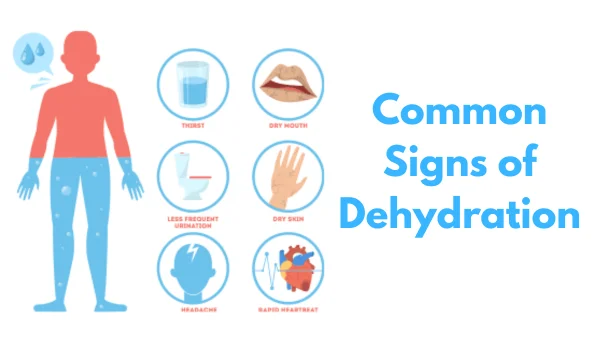
Recognizing early symptoms can help prevent serious complications.
🚩 1. Thirst (Late Sign)
Many people think thirst is the first sign—but it’s actually a late signal.
👉 If you feel very thirsty, your body is already mildly dehydrated.
🚩 2. Dark Yellow Urine
- Healthy urine = light yellow or clear
- Dehydrated = dark yellow or strong smell
👉 This is one of the easiest ways to check hydration at home.
🚩 3. Fatigue and Weakness
Lack of fluids reduces blood circulation and oxygen supply.
👉 Result:
- Low energy
- Tiredness even without heavy work
🚩 4. Dry Mouth, Lips & Skin
- Sticky mouth
- Chapped lips
- Dry or flaky skin
👉 These are common early warning signs.
🚩 5. Headache & Dizziness
Dehydration affects brain function.
👉 Symptoms:
- Lightheadedness
- Headache
- Difficulty concentrating
🚩 6. Reduced Urination
- Going to toilet less than 3–4 times a day
- Very small amount of urine
🚩 7. Muscle Cramps
Loss of electrolytes (sodium, potassium) can cause:
- Leg cramps
- Muscle pain
Common in:
- Summer heat
- After exercise
🚩 8. Rapid Heartbeat
Severe dehydration forces your heart to work harder.
🚩 9. Confusion (Severe Cases)
Especially in elderly people:
- Confusion
- Irritability
- Disorientation
🚩 10. Sunken Eyes & Dry Skin (Advanced Stage)
Seen in:
- Children
- Elderly
🌡️ Why Dehydration is Common in India
India’s climate and lifestyle increase the risk.
☀️ 1. Hot Weather
High temperatures → more sweating → fluid loss
💼 2. Busy Lifestyle
People forget to drink water due to work or travel
🥵 3. Outdoor Jobs
Workers in construction, delivery, farming lose fluids quickly
🧂 4. High-Salt & Spicy Diet
Causes increased water requiremen
☕ 5. Excess Tea & Coffee
Caffeine can increase fluid loss
🧪 What Happens in the Body During Dehydration?
When your body lacks water:
- Blood volume decreases
- Heart pumps faster
- Body temperature rises
- Electrolyte balance gets disturbed
👉 Severe dehydration can affect:
- Kidneys
- Brain
- Heart
💧 How Much Water Do You Need?
General guideline:
- 2.5–3 liters per day (adults)
Increase intake if:
- Summer season
- Exercise
- Fever or illness
👉 Tip: Don’t wait for thirst—drink regularly.
🥤 Best Ways to Prevent Dehydration (Indian Context)
✔ 1. Drink Water Regularly
- Start your day with 1–2 glasses of water
- Sip water throughout the day
👉 Keep a bottle nearby as a reminder.
✔ 2. Include Natural Hydrating Drinks
🥥 Coconut Water
- Rich in electrolytes
- Best summer drink
🥛 Buttermilk (Chaas)
- Improves digestion
- Keeps body cool
🍋 Lemon Water (Nimbu Pani)
- Refreshing and hydrating
- Add a pinch of salt for electrolytes
🧉 Homemade ORS (Oral Rehydration Solution)
Recipe:
- 1 liter water
- 6 tsp sugar
- ½ tsp salt
👉 Useful during diarrhea or extreme dehydration.
✔ 3. Eat Water-Rich Foods
🥒 Examples:
- Cucumber
- Watermelon
- Muskmelon
- Orange
- Tomato
👉 These provide both water and nutrients.
✔ 4. Avoid Dehydrating Drinks
Limit:
- Alcohol
- Excess tea/coffee
- Sugary sodas
✔ 5. Adjust According to Weather
Summer:
- Increase water intake
- Avoid going out in peak heat
Winter:
- Drink warm water (people tend to drink less)
✔ 6. Stay Hydrated During Travel
- Carry water bottle
- Avoid relying only on packaged drinks
✔ 7. Hydrate Before & After Exercise
- Drink water before workout
- Rehydrate after sweating
👶 Special Care for High-Risk Groups
👶 Children
- Get dehydrated quickly
- Watch for:
- No tears while crying
- Dry mouth
👴 Elderly
- Reduced thirst sensation
- Need reminders to drink water
🤰 Pregnant Women
- Higher fluid requirement
- Risk of fatigue and dizziness
🏃 Athletes & Outdoor Workers
- Need extra fluids and electrolytes
⚠️ When to See a Doctor
Seek medical help if:
- Severe dizziness
- No urination for 8+ hours
- Rapid heartbeat
- Confusion
- Vomiting or diarrhea
👉 These may indicate severe dehydration.
❌ Common Mistakes to Avoid
- Drinking water only when thirsty
- Replacing water with soft drinks
- Ignoring early symptoms
- Drinking too much water at once instead of throughout the day
🧠 Myth vs Reality
Myth 1: “Only water is enough”
❌ Wrong
✔️ Electrolytes are also important
Myth 2: “Cold drinks hydrate better”
❌ Wrong
✔️ They can worsen dehydration
Myth 3: “You need 8 glasses for everyone”
❌ Not exact
✔️ Needs vary based on lifestyle and climate
Myth 4: “Dehydration happens only in summer”
❌ Wrong
✔️ It can happen in any season
❓ FAQs
Q1: How can I check dehydration at home?
👉 Check urine color and frequency
Q2: Is coconut water better than plain water?
👉 It’s helpful occasionally for electrolytes, but water is still essential
Q3: Can dehydration cause weight gain?
👉 Indirectly yes (slows metabolism, causes fatigue)
Q4: How fast can dehydration occur?
👉 Within hours in extreme heat or illnes
Q5: Is ORS safe daily?
👉 Only when needed (not for regular use)
✅ Final Thoughts
Dehydration may seem like a small issue, but it can quickly turn serious if ignored. In India’s climate, staying hydrated is not optional—it’s essential for survival and overall health.
The key is consistency:
- Drink water regularly
- Eat hydrating foods
- Adjust based on weather and activity
Small daily habits can prevent big health problems.
⚠️ Disclaimer
This article is for informational and educational purposes only and should not be considered medical advice. Dehydration levels and fluid requirements vary depending on individual health conditions, age, medications, and climate exposure. If you experience severe symptoms or have underlying medical conditions such as kidney disease, diabetes, or heart issues, consult a qualified healthcare professional immediately. Always seek professional medical guidance before making significant changes to your hydration or dietary habits.