Stress has become a part of everyday life in India—whether it’s work pressure, financial responsibilities, academic competition, traffic, or family expectations. While a small amount of stress can be motivating, chronic or long-term stress can silently damage your body and mind.
Many people ignore stress because it is not as visible as a fever or injury. But over time, it can affect almost every organ system—from your brain and heart to your digestion and immunity.
This guide explains in simple terms how stress affects your body, the science behind it, common symptoms, and practical ways to manage it naturally in an Indian lifestyle.
🧠 What is Stress?
Stress is your body’s natural response to any challenge or demand.
👉 It can be:
- Physical stress (illness, injury, lack of sleep)
- Emotional stress (worry, anxiety, fear)
- Environmental stress (noise, pollution, heat)
⚙️ How Stress Works in the Body
When you feel stressed, your body activates the “fight or flight” response.
What happens:
- Brain signals danger
- Hormones like cortisol and adrenaline are released
- Heart rate increases
- Blood pressure rises
- Energy is redirected to muscles
👉 This is helpful in short-term situations (like avoiding danger), but harmful when stress becomes constant.
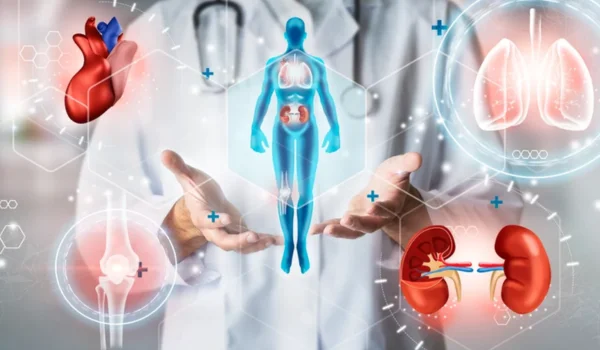
⚠️ Effects of Stress on Different Parts of the Body
🧠 1. Brain & Mental Health
Effects:
- Anxiety
- Overthinking
- Poor concentration
- Memory problems
Long-term:
- Risk of depression
- Mental burnout
👉 Stress overloads your brain, making it harder to think clearly.
❤️ 2. Heart & Blood Pressure
What stress does:
- Increases heart rate
- Raises blood pressure
Long-term risk:
- Heart disease
- Hypertension
👉 Chronic stress keeps your heart in “overdrive mode.”
🫁 3. Breathing System
- Faster, shallow breathing
- Shortness of breath
👉 Can worsen asthma or breathing issues.
🍽️ 4. Digestive System
Common symptoms:
- Acidity
- Bloating
- Indigestion
- Irritable bowel syndrome (IBS)
Why:
Stress affects gut movement and acid production.
👉 Many people in India experience stress-related acidity.
🛡️ 5. Immune System
Stress weakens your immunity.
Result:
- Frequent colds
- Slow healing
- Increased infections
🧬 6. Hormonal Imbalance
Stress hormones disturb other hormones in the body.
Effects:
- Weight gain
- Thyroid imbalance
- PCOS in women
😴 7. Sleep Problems
Symptoms:
- Difficulty falling asleep
- Frequent waking
- Poor sleep quality
👉 Lack of sleep further increases stress—a harmful cycle.
💇♂️ 8. Hair & Skin Problems
Effects:
- Hair fall
- Acne
- Premature aging
👉 Stress reduces blood flow to skin and hair roots.
🦴 9. Muscle Pain & Body Aches
- Neck pain
- Shoulder stiffness
- Back pain
👉 Caused by muscle tension.
⚖️ 10. Weight Changes
Some people:
- Gain weight (emotional eating)
Others:
- Lose weight (loss of appetite)
Common Causes of Stress in India
💼 Work Pressure
Long working hours, deadlines, job insecurity
📚 Academic Stress
Competitive exams, parental expectations
🚗 Traffic & Urban Life
Daily commuting stress
💰 Financial Pressure
EMIs, rising expenses
👨👩👧 Family Responsibilities
Balancing work and home
🧪 Scientific Explanation (Why Stress is Harmful)
- Cortisol Overload
- Long-term stress → high cortisol
- Leads to fat storage, weak immunity
- Inflammation
- Chronic stress increases inflammation
- Linked to diseases like diabetes and heart issues
- Nervous System Imbalance
- Constant “fight mode”
- Body never relaxes
🚨 Early Warning Signs of Stress
- Constant tiredness
- Irritability
- Headaches
- Poor sleep
- Loss of interest in activities
👉 Ignoring these signs can lead to serious health issues.
🧘 How to Manage Stress Naturally (Indian Lifestyle Tips)
✔ 1. Practice Yoga & Meditation
India’s traditional strength.
Benefits:
- Calms mind
- Reduces cortisol
- Improves focus
👉 Even 10–15 minutes daily helps.
✔ 2. Regular Physical Activity
- Walking
- Exercise
- Sports
👉 Releases “feel-good” hormones (endorphins)
✔ 3. Healthy Diet
Include:
- Fruits and vegetables
- Nuts and seeds
- Whole grains
Avoid:
- Junk food
- Excess sugar
✔ 4. Improve Sleep Routine
- Fixed sleep schedule
- No screens before bed
- Relaxing environment
✔ 5. Stay Connected
- Talk to friends and family
- Share your thoughts
👉 Emotional support reduces stress.
✔ 6. Limit Caffeine & Screen Time
- Too much tea/coffee increases anxiety
- Reduce mobile usage
✔ 7. Spend Time in Nature
- Parks
- Morning walks
- Sunlight exposure
✔ 8. Time Management
- Plan your day
- Avoid last-minute stress
❌ Common Mistakes People Make
- Ignoring stress
- Using alcohol or smoking to cope
- Overworking without breaks
- Not asking for help
🧠 Myth vs Reality
Myth 1: “Stress is normal, nothing to worry”
❌ Wrong
✔️ Chronic stress is harmful
Myth 2: “Only weak people feel stressed”
❌ Wrong
✔️ Anyone can experience stress
Myth 3: “Stress only affects the mind”
❌ Wrong
✔️ It affects the entire body
Myth 4: “Medicines are the only solution”
❌ Wrong
✔️ Lifestyle changes are very effective
❓ FAQs
Q1: Can stress cause physical illness?
👉 Yes, it can affect heart, digestion, immunity
Q2: How quickly can stress affect the body?
👉 Effects can start within days if severe
Q3: Is stress completely avoidable?
👉 No, but it can be managed
Q4: What is the best stress relief method?
👉 Combination of exercise, meditation, and proper sleep
Q5: When should I seek professional help?
👉 If stress affects daily life or mental health
✅ Final Thoughts
Stress is not just “in your mind”—it has real, measurable effects on your body. From your brain and heart to your digestion and immunity, every system is impacted by long-term stress.
In today’s Indian lifestyle, managing stress is not optional—it’s essential for long-term health.
The solution is simple but powerful:
- Stay active
- Eat healthy
- Sleep well
- Take breaks
- Practice mindfulness
Small daily habits can protect your body from the harmful effects of stress and improve your overall quality of life.
⚠️ Disclaimer
This article is for informational and educational purposes only and is not a substitute for professional medical advice, diagnosis, or treatment. Stress levels and their impact vary from person to person. Chronic stress may be associated with mental health conditions such as anxiety disorders or depression, as well as physical illnesses. If you are experiencing severe stress, panic attacks, or persistent emotional distress, consult a qualified healthcare professional or mental health expert. Do not ignore symptoms or rely solely on self-care methods if your condition is worsening.