Constipation is a common digestive problem that affects people of all ages in India. It can cause discomfort, bloating, stomach pain, and difficulty passing stools. While occasional constipation is usually not serious, frequent constipation can affect your daily routine and overall well-being.
The good news is that many cases of constipation can be managed naturally through simple home remedies, dietary changes, proper hydration, and healthy lifestyle habits. In this guide, you’ll learn how to cure constipation naturally at home in India, along with practical tips for long-term digestive health.
What Is Constipation?
Constipation occurs when bowel movements become less frequent or stools become hard, dry, and difficult to pass.
Generally, you may be constipated if you experience:
- Fewer than three bowel movements per week
- Hard or lumpy stools
- Straining during bowel movements
- Feeling that the bowel is not completely empty
- Bloating or abdominal discomfort
Common Symptoms of Constipation
Some common signs include:
- Difficulty passing stools
- Hard, dry stools
- Abdominal pain or cramps
- Bloating
- Excessive gas
- Feeling of incomplete bowel emptying
- Loss of appetite in some cases
Common Causes of Constipation
Understanding the cause is important before trying remedies.
- Low Fiber Diet
A diet lacking fruits, vegetables, and whole grains is one of the most common causes.
- Not Drinking Enough Water
Dehydration can make stools hard and difficult to pass.
- Lack of Physical Activity
A sedentary lifestyle may slow down bowel movements.
- Ignoring the Urge to Pass Stool
Repeatedly delaying bowel movements can contribute to constipation.
- Stress and Anxiety
Mental stress can affect digestive function.
- Changes in Routine
Traveling, irregular eating habits, and altered sleep schedules can trigger constipation.
- Certain Medications
Some medications may cause constipation as a side effect.
- Medical Conditions
Conditions such as hypothyroidism, diabetes, irritable bowel syndrome (IBS), and neurological disorders can contribute to chronic constipation.
Best Home Remedies for Constipation in India
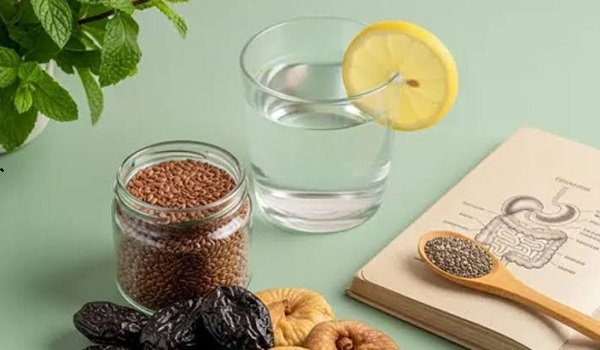
- Drink Warm Water in the Morning
One of the simplest natural remedies is starting the day with warm water.
Benefits
- Stimulates bowel movement
- Helps hydrate the digestive system
- Supports smoother stool passage
How to Use
- Drink 1–2 glasses of warm water immediately after waking up.
- Isabgol (Psyllium Husk)
Isabgol is one of the most popular remedies for constipation in Indian households.
Benefits
- Adds bulk to stools
- Helps improve bowel regularity
- Supports digestive health
How to Use
- Mix 1–2 teaspoons of isabgol in a glass of water.
- Drink immediately before bedtime.
- Follow with another glass of water.
Precaution
Drink adequate water throughout the day when using psyllium husk.
- Soaked Raisins
Raisins contain fiber and natural compounds that may support digestion.
Benefits
- May help soften stools
- Supports bowel regularity
How to Use
- Soak 10–15 raisins overnight.
- Eat them in the morning on an empty stomach.
- Soaked Figs (Anjeer)
Figs are rich in dietary fiber.
Benefits
- Helps increase stool bulk
- Supports healthy bowel movements
How to Use
- Soak 2–4 dried figs overnight.
- Consume in the morning with the soaking water.
- Ghee with Warm Milk
A traditional Indian remedy for occasional constipation.
Benefits
- May help lubricate the digestive tract
- Supports smoother bowel movements
How to Use
- Add 1 teaspoon of ghee to a glass of warm milk.
- Drink before bedtime.
- Lemon Water
Lemon may help stimulate digestion in some individuals.
Benefits
- Encourages hydration
- Supports digestive function
How to Use
- Mix fresh lemon juice in warm water.
- Drink in the morning.
- Flaxseeds (Alsi)
Flaxseeds are rich in fiber.
Benefits
- Improves stool consistency
- Supports digestive health
How to Use
- Consume 1–2 tablespoons of ground flaxseeds daily.
- Mix into curd, smoothies, or oatmeal.
- Papaya
Papaya is often recommended for digestive health.
Benefits
- Rich in fiber
- Easy to digest
- May support regular bowel movements
How to Use
- Eat a bowl of ripe papaya daily.
- Prunes or Prune Juice
Prunes are well-known natural remedies for constipation.
Benefits
- Help soften stools
- Support bowel movement frequency
How to Use
- Eat 4–6 prunes daily or drink a small glass of prune juice.
- Triphala
Triphala is a traditional Ayurvedic herbal formulation.
Benefits
- Supports digestive health
- May help improve bowel regularity
How to Use
- Follow product instructions or consult an Ayurvedic practitioner.
Lifestyle Tips to Prevent and Relieve Constipation
Stay Hydrated
Drink enough fluids throughout the day.
Good Options
- Water
- Coconut water
- Lemon water
- Herbal teas
- Fresh soups
Exercise Regularly
Physical activity helps stimulate bowel movements.
Recommended Activities
- Walking
- Yoga
- Cycling
- Swimming
- Light stretching
Aim for at least 30 minutes of activity most days.
Establish a Bathroom Routine
Try to use the toilet at the same time each day, especially after breakfast.
Avoid Holding Stool
Respond promptly to the natural urge to pass stool.
Manage Stress
Stress can affect digestion.
Helpful Techniques
- Meditation
- Deep breathing exercises
- Yoga
- Adequate sleep
Best Foods to Eat for Constipation Relief
A high-fiber diet is essential for healthy digestion.
Fruits
- Papaya
- Guava
- Apples
- Pears
- Oranges
- Kiwi
- Figs
Vegetables
- Spinach
- Carrots
- Broccoli
- Beetroot
- Bottle gourd
- Pumpkin
Whole Grains
- Oats
- Brown rice
- Whole wheat
- Millets
Legumes
- Lentils
- Chickpeas
- Kidney beans
Seeds and Nuts
- Flaxseeds
- Chia seeds
- Almonds
- Walnuts
Fermented Foods
- Curd
- Buttermilk
- Homemade yogurt
Foods to Avoid During Constipation
Certain foods may worsen constipation in some individuals.
Limit or Avoid
- Processed foods
- Fast food
- Deep-fried snacks
- Excess cheese
- Excess sugary foods
- White bread
- Refined flour products
- Packaged snacks
Simple Yoga Poses for Constipation Relief
Yoga may help support digestive function.
Useful Poses
- Pawanmuktasana (Wind-Relieving Pose)
- Child’s Pose
- Cat-Cow Stretch
- Cobra Pose
- Seated Twist
Practice under proper guidance if you are a beginner.
Precautions While Using Home Remedies
- Increase fiber gradually to avoid gas and bloating.
- Always drink enough water with fiber supplements.
- Avoid excessive use of laxatives without medical advice.
- People with chronic illnesses should consult a healthcare professional before trying herbal remedies.
- Persistent constipation should not be ignored.
When to See a Doctor
Seek medical attention if:
- Constipation lasts more than three weeks.
- There is blood in the stool.
- Severe abdominal pain develops.
- Unexplained weight loss occurs.
- Constipation alternates with diarrhea.
- You experience vomiting or persistent bloating.
- Symptoms worsen despite home treatment.
These may indicate an underlying medical condition that requires evaluation.
Frequently Asked Questions (FAQs)
Q: What is the fastest natural remedy for constipation?
A: Drinking warm water, increasing fiber intake, staying hydrated, and using isabgol are among the most common natural remedies for quick relief.
Q: Is banana good for constipation?
A: Ripe bananas may help some people due to their fiber content, while unripe bananas may worsen constipation in certain cases.
Q: How much water should I drink for constipation?
A: Most adults benefit from drinking adequate fluids throughout the day, though individual needs vary based on age, activity level, and health conditions.
Q: Is isabgol safe for daily use?
A: Many people use isabgol regularly, but it should be taken with sufficient water and according to package instructions or medical advice.
Q: Can stress cause constipation?
A: Yes. Stress can affect digestive function and contribute to constipation in some individuals.
Q: Which fruit is best for constipation?
A: Papaya, pears, prunes, figs, guava, and apples are commonly recommended due to their fiber content.
Conclusion
If you’re looking for how to cure constipation naturally at home in India, simple remedies such as warm water, isabgol, soaked raisins, figs, flaxseeds, papaya, and adequate hydration can often provide relief. Combining these remedies with a fiber-rich diet, regular exercise, stress management, and healthy bowel habits can help prevent constipation from recurring.
While occasional constipation is usually manageable with home care, persistent or severe symptoms should not be ignored. Consulting a healthcare professional can help identify any underlying cause and ensure appropriate treatment. By making small but consistent lifestyle changes, you can support healthy digestion and maintain regular bowel movements naturally.