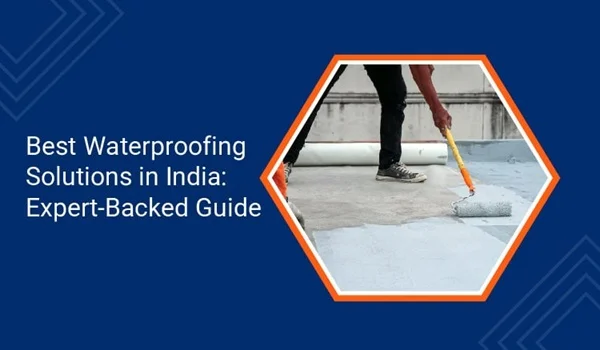
Roof leakage is one of the most common problems in Indian homes, especially during the monsoon. Heavy rainfall, high humidity, and temperature fluctuations put constant stress on roofs, leading to cracks and seepage. If ignored, even a small leak can damage ceilings, weaken structures, and cause mold growth.
The good news? You don’t always need expensive repairs. With the right approach, you can fix roof leakage using low-cost DIY methods or affordable professional solutions.
Causes of Roof Leakage in India
Understanding the root cause is crucial before fixing the problem.
- Heavy Rainfall & Water Stagnation
Indian monsoons bring intense rain. If water accumulates on the roof due to poor drainage, it slowly penetrates through cracks.
- High Humidity & Temperature Changes
Roofs expand in heat and contract during rains, causing micro-cracks over time.
- Poor Construction Quality
- Improper cement mix
- Lack of waterproofing layer
- Bad slope design
These issues allow water seepage within a few years of construction.
- Cracks and Damaged Surface
Hairline cracks, broken tiles, or gaps around pipes are common entry points for water.
- Blocked Drainage System
Clogged outlets prevent water from flowing out, increasing seepage risk.
Signs of Roof Leakage
- Damp patches on ceiling
- Peeling paint or plaster
- Water dripping during rain
- Mold or fungus smell
Ignoring these signs can lead to serious structural damage.
Low-Cost DIY Solutions (Budget-Friendly Fixes)

These methods are suitable for minor leakage or temporary fixes.
1. Crack Filling with Cement & Waterproof Compound
Best for: Small cracks
Materials:
- Cement + sand
- Waterproofing powder (₹50–₹200/kg)
Steps:
- Clean the crack area
- Mix cement with waterproof chemical
- Fill cracks properly
- Let it cure for 24–48 hours
Cost: ₹10–₹20 per sq.ft
2. Liquid Waterproof Coating (Most Popular DIY Method)
Best for: Mild seepage
Materials: Acrylic or polymer coating
Steps:
- Clean roof surface
- Apply primer (optional)
- Apply 2–3 coats using brush/roller
- Allow drying between coats
Cost: ₹25–₹60 per sq.ft
Benefit: Easy application, flexible, and affordable
3. Bitumen (Coal Tar) Coating
Best for: Old roofs
Steps:
- Heat bitumen and apply on roof
- Add protective layer (sand or tiles)
Cost: ₹30–₹50 per sq.ft
Limitation: Short lifespan, requires reapplication
4. Temporary Plastic Sheet Covering
Best for: Emergency leakage during heavy rain
Cost: ₹500–₹2000
Tip: Use as a short-term fix only
5. Cement “Ghotai” / Slope Correction
Best for: Water stagnation
- Apply thin cement layer on uneven areas
- Ensure water flows toward drainage
Professional Waterproofing Solutions (Affordable Options)
For long-term results, consider these methods:
- Cementitious Waterproofing
- Cost: ₹40–₹70 per sq.ft
- Best for: Minor to moderate leakage
- Durable and economical
- Acrylic Waterproofing
- Cost: ₹20–₹45 per sq.ft
- Best for: Budget homes
- Easy maintenance
- Bituminous Membrane
- Cost: ₹50–₹150 per sq.ft
- Best for: Severe leakage
- Long-lasting solution
- Polyurethane (PU) Coating
- Cost: ₹70–₹120 per sq.ft
- Best for: Premium, long-term protection
- Highly flexible and durable
- Injection Grouting
- Cost: ₹500–₹2000 per meter
- Best for: Deep cracks and structural leaks
Comparison of Waterproofing Methods
| Method | Cost (₹/sq.ft) | Durability | Best For |
| Cementitious | 40–70 | Medium | Minor cracks |
| Acrylic | 20–45 | Low–Medium | Budget solution |
| Liquid Membrane | 30–60 | Medium | General use |
| Bituminous | 50–150 | High | Heavy leakage |
| PU Coating | 70–120 | Very High | Long-term |
Waterproofing in India generally ranges between ₹15–₹150 per sq.ft depending on method and condition.
Step-by-Step Process to Fix Roof Leakage
Step 1: Identify Leakage Source
- Inspect roof during rain
- Look for cracks, joints, and drainage issues
Step 2: Clean the Surface
- Remove dust, algae, and debris
- Clean drainage outlets
Step 3: Repair Cracks
- Fill cracks with sealant or cement mixture
Step 4: Apply Waterproofing Layer
- Choose method based on budget
- Apply evenly in 2–3 coats
Step 5: Drying & Testing
- Let it cure properly
- Test during rainfall
Materials Required
| Material | Approx Cost |
| Cement | ₹350–₹450 per bag |
| Waterproof chemical | ₹200–₹1500 |
| Acrylic coating | ₹1000–₹3000 (per 20L) |
| Bitumen | ₹40–₹70/kg |
| Labour | ₹20–₹50 per sq.ft |
Maintenance Tips (Very Important)
- Inspect roof before every monsoon
- Clean drainage outlets regularly
- Repair cracks immediately
- Reapply waterproof coating every 3–5 years
- Avoid water stagnation
DIY vs Professional: Which One to Choose?
| Situation | Recommended |
| Small cracks | DIY |
| Mild seepage | DIY or basic coating |
| Major leakage | Professional |
| Old building | Professional |
FAQs
Q: What is the cheapest way to fix roof leakage?
A: Cement crack filling + acrylic coating is the most affordable solution.
Q: Can I fix roof leakage during rain?
A: Only temporary fixes (like plastic sheets). Proper waterproofing should be done in dry weather.
Q: How long does waterproofing last?
A: Acrylic: 3–5 years
Cementitious: 5–8 years
PU coating: 8–10 years
Q: Is waterproofing necessary every year?
A: No, but inspection before monsoon is essential.
Q: How much does it cost to fix roof leakage in India?
A: Typically ₹25–₹150 per sq.ft depending on method and damage.
Conclusion
Roof leakage is a common but manageable problem in Indian homes. The key is early detection and choosing the right solution based on your budget. For minor issues, DIY methods like crack filling and liquid coating work well. For serious leakage, investing in professional waterproofing ensures long-term protection.
If you act before or during the early monsoon stage, you can save thousands of rupees in repair costs and keep your home safe, dry, and damage-free.