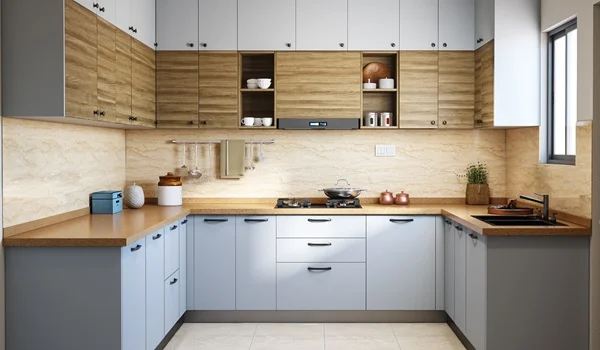
In most Indian cities, compact rooms are a reality—whether it’s a 1BHK flat, builder floor, or a small bedroom in a joint family home. The challenge isn’t just lack of space, but making that space feel open, airy, and comfortable—especially with India’s climate (heat, humidity, dust) and budget constraints.
The good news? You don’t need expensive renovation. With smart design choices, simple DIY tricks, and affordable materials, you can visually “expand” your room without breaking walls.
This guide covers step-by-step solutions, costs in INR, and practical tips tailored for Indian homes.
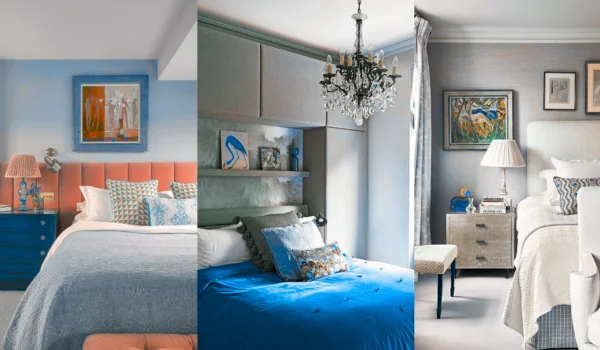
1. Use Light Colours for Walls & Ceiling
Why it works
Light colours reflect more light, making a room feel brighter and larger—perfect for Indian homes where natural light varies.
Step-by-step method
- Choose shades like off-white, cream, light grey, pastel blue, or mint green
- Paint walls and ceiling in the same or similar tones
- Avoid dark colours on all walls—use only as accents
Materials Required
- Interior paint (Asian Paints/Berger/Nerolac)
- Primer and putty
- Paint rollers/brushes
Approx Cost
₹18–₹35 per sq. ft. (basic paint job)
₹5,000–₹12,000 for a small room
DIY Tip
Paint one wall yourself (accent wall) to save labour cost (~₹1,500–₹3,000 saved)
Pros
- Instantly brightens space
- Budget-friendly
- Easy to maintain
Cons
- Gets dirty faster (especially in dusty areas)
2. Use Mirrors Strategically
Why it works
Mirrors create an illusion of depth and reflect light, making the room appear almost double in size.
Step-by-step method
- Place a large mirror opposite a window
- Use mirrored wardrobe shutters if possible
- Add decorative mirrors on walls
Materials Required
- Wall mirror (plain or framed)
- Mounting hooks
Approx Cost
₹800 – ₹5,000
DIY Tip
Buy a plain mirror and add a wooden or PVC frame for a custom look under ₹1,000
Pros
- Instant visual expansion
- Enhances lighting
Cons
- Needs regular cleaning (dust, fingerprints)
3. Choose Multi-Functional Furniture
Why it works
Less furniture = more visible space. Multi-use furniture reduces clutter.
Step-by-step method
- Replace bulky bed with storage bed
- Use sofa cum bed
- Add foldable study or dining table
Materials Required
- Engineered wood furniture
- Folding mechanisms
Approx Cost
₹5,000 – ₹30,000 depending on item
DIY Alternative
Convert old furniture into storage units using boxes or drawers
Pros
- Saves space
- Improves functionality
Cons
- Slightly higher initial investment
4. Use Vertical Space (Wall Storage)
Why it works
Indian homes often ignore vertical space. Using walls frees up floor area.
Step-by-step method
- Install floating shelves above eye level
- Use tall wardrobes instead of wide ones
- Add hooks behind doors
Materials Required
- Wooden/MDF shelves
- Brackets and screws
Approx Cost
₹1,000 – ₹6,000
DIY Tip
Reuse old wooden planks or crates for shelves
Pros
- Budget-friendly
- Maximizes storage
Cons
- Overuse can look cluttered
5. Improve Lighting (Natural + Artificial)
Why it works
Dark rooms feel smaller. Bright rooms feel open and welcoming.
Step-by-step method
- Use sheer curtains instead of heavy drapes
- Add LED ceiling lights
- Use warm white lighting for comfort
Materials Required
- LED bulbs/panels
- Curtains (cotton/sheers)
Approx Cost
₹1,500 – ₹5,000
DIY Tip
Replace old yellow bulbs with LED lights yourself
Pros
- Energy efficient
- Improves mood and visibility
Cons
- Requires proper placement planning
6. Declutter & Organize Smartly
Why it works
Clutter makes even a large room feel cramped.
Step-by-step method
- Remove unused items
- Use storage boxes under bed
- Organize wardrobe regularly
Materials Required
- Storage bins
- Organizers
Approx Cost
₹500 – ₹3,000
DIY Tip
Use old cartons or baskets for storage
Pros
- Zero-cost improvement possible
- Makes room breathable
Cons
- Requires regular effort
7. Use Curtains & Rugs Wisely
Why it works
Proper placement of fabrics can visually stretch a room.
Step-by-step method
- Hang curtains close to ceiling (not just above window)
- Use light-coloured, plain curtains
- Choose rugs slightly larger than furniture base
Materials Required
- Curtains (cotton/linen)
- Curtain rods
Approx Cost
₹1,500 – ₹6,000
DIY Tip
Use local market fabric to stitch curtains cheaper
Pros
- Enhances height illusion
- Affordable decor upgrade
Cons
- Needs washing due to dust
8. Use Minimal & Low-Height Furniture
Why it works
Low furniture creates more visible wall space, making ceilings look higher.
Step-by-step method
- Choose low beds and sofas
- Avoid bulky cupboards
- Keep center area open
Materials Required
- Compact furniture
Approx Cost
Same as regular furniture
DIY Tip
Remove unnecessary legs or height extensions from furniture
Pros
- Modern look
- Improves airflow
Cons
- Not suitable for elderly (low seating discomfort)
9. Add Glass & Reflective Surfaces
Why it works
Glass allows light to pass through, reducing visual heaviness.
Step-by-step method
- Use glass-top tables
- Install glass shelves
- Add glossy laminates
Materials Required
- Toughened glass
- Metal/wood frame
Approx Cost
₹2,000 – ₹10,000
DIY Tip
Add a glass sheet over existing wooden table
Pros
- Stylish and modern
- Enhances brightness
Cons
- Fragile
- Needs cleaning
Common Mistakes to Avoid
- Using dark colours on all walls
- Overcrowding with too much furniture
- Ignoring lighting (especially in Indian homes with limited windows)
- Blocking windows with heavy curtains
- Not measuring furniture before buying
- Over-decorating walls with too many items
- Ignoring ventilation (leads to humidity and discomfort)
Maintenance Tips
- Clean mirrors and glass weekly to maintain brightness
- Repaint walls every 2–3 years for fresh look
- Keep furniture dust-free (important in Indian conditions)
- Check for termite issues in wooden furniture
- Wash curtains regularly (especially during dusty seasons)
- Declutter every 2–3 months
FAQs
- What is the cheapest way to make a room look bigger?
Decluttering, using light paint, and adding mirrors are the most affordable methods.
- Which colour is best for small Indian rooms?
White, cream, pastel shades, and light grey work best.
- Can I make a small room look bigger without renovation?
Yes, by using lighting, mirrors, and smart furniture placement.
- Are wallpapers a good option?
Yes, but choose light patterns or vertical stripes to create height illusion.
- How do I make a small bedroom look luxurious?
Use minimal furniture, proper lighting, clean layout, and neutral colours.
Conclusion
Making a small room look bigger in an Indian home doesn’t require expensive remodeling—it requires smart thinking. By combining light colours, strategic lighting, multi-functional furniture, and clutter-free design, you can completely transform how your space feels.
Start with simple changes like decluttering and adding mirrors, then gradually upgrade furniture and lighting as your budget allows. Always keep Indian conditions in mind—dust, heat, and humidity—while choosing materials.
The goal is not just to “look bigger,” but to create a space that feels comfortable, breathable, and functional for everyday living.
Even the smallest room can feel spacious—if designed wisely.