In today’s fast-moving Indian lifestyle—late-night work, OTT binge-watching, mobile scrolling, long commutes, and early mornings—sleep is often the first thing people compromise on. Many wear “sleep deprivation” like a badge of productivity. But the truth is simple: sleep is not a luxury, it’s a biological necessity.
Poor sleep doesn’t just make you feel tired the next day—it affects your brain, heart, hormones, immunity, weight, and long-term disease risk. This comprehensive guide explains why sleep matters, how it works, common sleep problems in India, and practical ways to improve it naturally.
🧠 What is Sleep and Why Do We Need It?
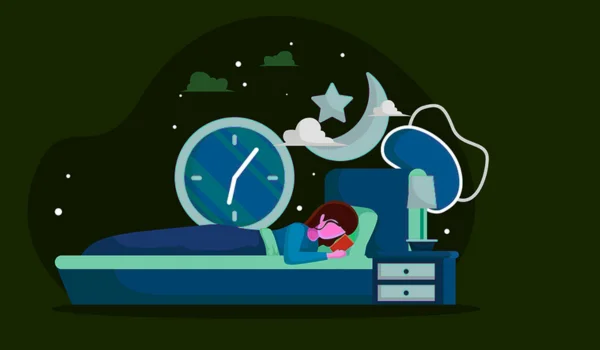
Sleep is a natural, restorative state where your body repairs, recharges, and resets. During sleep, your body:
- Repairs tissues and muscles
- Strengthens the immune system
- Consolidates memory and learning
- Balances hormones
- Clears toxins from the brain
👉 Adults generally need 7–8 hours of quality sleep daily (some may need 6–9 hours depending on age and lifestyle).
⚙️ How Sleep Works
Your body follows an internal clock called the circadian rhythm, influenced by light and darkness.
Sleep Stages:
- Light sleep – body starts relaxing
- Deep sleep – physical repair happens
- REM sleep – brain activity, dreaming, memory processing
👉 A full sleep cycle lasts ~90 minutes and repeats multiple times at night. Poor sleep disrupts these cycles.
⚠️ Why Sleep is Crucial for Overall Health
🧠 1. Brain Function & Mental Health
Benefits of good sleep:
- Better memory and learning
- Improved concentration
- Emotional stability
Lack of sleep causes:
- Brain fog
- Irritability
- Anxiety and depression
👉 Students and working professionals in India often struggle due to late-night study/work habits.
❤️ 2. Heart Health
Poor sleep increases:
- Blood pressure
- Risk of heart disease
👉 Sleep helps regulate heart rate and blood vessels.
🛡️ 3. Strong Immunity
During sleep, your body produces immune cells.
Poor sleep leads to:
- Frequent infections
- Slow recovery
👉 This is especially important in polluted urban environments in India.
⚖️ 4. Weight Management
Sleep affects hunger hormones:
- Ghrelin (hunger hormone) increases
- Leptin (fullness hormone) decreases
👉 Result:
- Increased cravings
- Weight gain
🧬 5. Hormonal Balance
Sleep regulates hormones related to:
- Growth
- Stress (cortisol)
- Reproductive health
👉 Poor sleep can contribute to:
- PCOS in women
- Low testosterone in men
🍽️ 6. Digestion & Metabolism
Lack of sleep slows metabolism and affects digestion.
Effects:
- Acidity
- Indigestion
- Increased risk of diabetes
💇♀️ 7. Skin & Hair Health
Sleep is often called “beauty rest” for a reason.
Benefits:
- Skin repair
- Reduced dark circles
- Healthy hair growth
🦴 8. Physical Recovery
Sleep is essential for:
- Muscle repair
- Recovery after exercise
👉 Athletes and gym-goers need proper sleep for results.
Common Sleep Problems in India
📱 1. Late-Night Mobile Usage
Scrolling social media or watching reels delays sleep
☕ 2. Excess Tea/Coffee
Caffeine affects sleep quality
💼 3. Work Stress & Long Hours
Corporate culture often leads to late nights
🚗 4. Long Commutes
Less time left for rest
🏠 5. Irregular Routine
No fixed sleep or wake-up time
🚨 Signs You Are Not Getting Enough Sleep
- Feeling tired even after waking up
- Difficulty concentrating
- Mood swings
- Frequent headaches
- Dark circles
- Low productivity
👉 If these persist, your sleep quality needs attention.
🧪 What Happens When You Don’t Sleep Enough?
- Increased Cortisol (Stress Hormone)
Leads to anxiety, weight gain, and poor immunity
- Blood Sugar Imbalance
Raises risk of diabetes
- Reduced Brain Function
Impacts memory and decision-making
- Inflammation
Linked to chronic diseases
🕒 Ideal Sleep Routine
🌙 Night Routine
- Eat dinner by 8–9 PM
- Avoid heavy meals late at night
- Reduce screen exposure
- Create a calm environment
🛌 Sleep Time
- Aim for 10–11 PM bedtime
- Keep a consistent schedule
🌅 Morning Routine
- Wake up at same time daily
- Get sunlight exposure
- Avoid hitting snooze repeatedly
🧘 Natural Ways to Improve Sleep
✔ 1. Follow a Fixed Routine
Consistency trains your body clock
✔ 2. Limit Screen Time
Avoid mobile/laptop 1 hour before bed
✔ 3. Practice Relaxation Techniques
- Meditation
- Deep breathing
- Light stretching
✔ 4. Watch Your Diet
Avoid at night:
- Heavy, spicy food
- Caffeine
Include:
- Warm milk
- Light meals
✔ 5. Exercise Regularly
Helps improve sleep quality
👉 But avoid intense workouts late at night
✔ 6. Optimize Sleep Environment
- Dark room
- Comfortable mattress
- Minimal noise
✔ 7. Reduce Stress
- Journaling
- Talking to loved ones
👶 Sleep Needs by Age
- Children: 9–12 hours
- Teenagers: 8–10 hours
- Adults: 7–8 hours
- Elderly: 6–7 hours
❌ Common Mistakes to Avoid
- Sleeping immediately after using phone
- Drinking tea/coffee late evening
- Irregular sleep timing
- Using sleeping pills without doctor advice
🧠 Myth vs Reality
Myth 1: “5 hours of sleep is enough”
❌ Wrong
✔️ Most adults need 7–8 hour
Myth 2: “You can recover sleep on weekends”
❌ Not fully
✔️ Consistency matters
Myth 3: “Alcohol helps sleep”
❌ Wrong
✔️ It disrupts sleep quality
Myth 4: “More sleep is always better”
❌ Wrong
✔️ Too much sleep can also be unhealthy
❓ FAQs
Q1: What is the best time to sleep in India?
👉 Between 10–11 PM
Q2: How long does it take to fix sleep habits?
👉 1–3 weeks with consistency
Q3: Can naps replace night sleep?
👉 No, naps are only supplementary
Q4: Is 6 hours of sleep enough?
👉 For some, but most need 7–8 hours
Q5: What to do if I can’t sleep?
👉 Avoid screens, try relaxation, maintain routine
✅ Final Thoughts
Sleep is one of the most powerful yet underrated pillars of health. In India’s busy lifestyle, it’s easy to ignore—but the consequences can be serious, affecting everything from your mental clarity to heart health.
The solution is simple:
- Prioritize sleep
- Maintain a routine
- Reduce distractions
- Take care of your body
Remember, good sleep is not wasted time—it’s an investment in your health, productivity, and long-term well-being.
⚠️ Disclaimer
This article is for informational and educational purposes only and should not be considered medical advice. Sleep requirements and disorders vary from person to person. Persistent sleep issues such as insomnia, sleep apnea, or excessive daytime sleepiness may require medical evaluation. Always consult a qualified healthcare professional if you have ongoing sleep problems or underlying health conditions before making significant lifestyle changes.