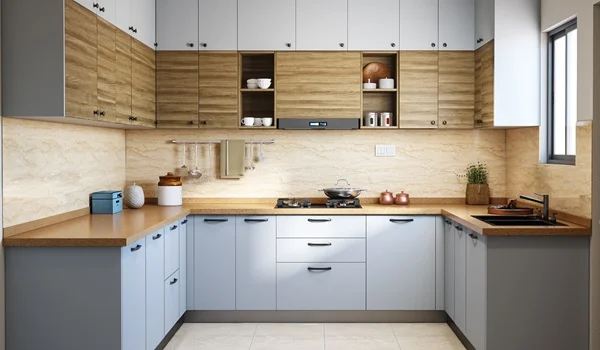
When you’re designing or renovating a small Indian home—like a 1BHK, studio apartment, or compact builder floor—every decision matters. Walls are not just structural elements; they influence how spacious, bright, and organized your home feels.
One of the most common dilemmas homeowners face is: Wall Putty vs POP (Plaster of Paris) – which is better?
This guide breaks it down in a simple, practical, and budget-friendly way, with special focus on small homes where space, maintenance, and cost are critical.
What Is Wall Putty?
Wall putty is a white cement-based powder applied on walls before painting. It creates a smooth surface and improves paint durability.
Key Features:
- Smooth and even finish
- Strong bonding with walls
- Moisture-resistant
- Enhances paint life
Think of wall putty as the foundation layer for paint.
What Is POP (Plaster of Paris)?
POP is a quick-setting plaster material made from gypsum. It is mainly used for:
- False ceilings
- Decorative wall designs
- Moldings and trims
POP is more about design and aesthetics, not just surface preparation.
Wall Putty vs POP: Quick Comparison

| Feature | Wall Putty | POP |
| Purpose | Base for painting | Decorative finishes |
| Durability | High | Medium |
| Moisture Resistance | Good | Poor (can absorb moisture) |
| Cost | Affordable | Slightly expensive |
| Maintenance | Low | Medium to high |
| Best For | All walls | Ceilings & design elements |
Verdict: For most Indian homes, especially small flats, wall putty is essential, while POP is optional.
Which Is Better for Small Indian Homes?
✔ Choose Wall Putty If:
- You want low maintenance
- You have limited budget
- You live in humid or rainy areas
- You want long-lasting paint
✔ Choose POP If:
- You want modern interior design
- You need false ceiling for lighting
- You want to hide wiring or beams
Best approach: Use wall putty for all walls + minimal POP for design accents
1BHK Practical Example
Let’s understand with a real small home setup:
Living Room (Small 1BHK)
- Walls: Wall putty + light paint (off-white/cream)
- Ceiling: Simple POP false ceiling with LED lights
Result:
- Clean walls (low maintenance)
- Stylish ceiling without overcrowding space
Bedroom
- Walls: Wall putty + pastel shades
- POP: Avoid heavy designs (can make room feel smaller)
Add:
- Wall-mounted shelves
- Sliding wardrobe
Kitchen
- Walls: Wall putty + washable paint
- Avoid POP (due to heat and grease)
Bathroom
- No POP (moisture damage risk)
- Use waterproof wall treatment + tiles
Cost Comparison in India (Approx)
| Material | Cost per sq ft (₹) |
| Wall Putty | ₹10 – ₹25 |
| POP | ₹30 – ₹80 |
Example for 1BHK:
- Wall putty total: ₹5,000 – ₹10,000
- POP ceiling: ₹15,000 – ₹40,000
Budget tip: Skip full POP ceiling and go for partial design to save money.
Space-Saving Design Ideas Using Putty & POP
- Keep Walls Simple with Putty
- Light colors + smooth finish = bigger-looking room
- Minimal POP Ceiling Only
- Use POP only in living room ceiling
- Add LED strip lights for modern look
- Use Paint Instead of Heavy POP Designs
- Accent wall with paint is cheaper and cleaner
- Combine with Smart Furniture
Recommended:
- Foldable dining table
- Sofa-cum-bed
- Wall-mounted TV unit
- Floating shelves
These work best with smooth putty walls (easy installation)
Furniture & Layout Tips (Important for Small Homes)
✔ Match Wall Finish with Furniture
- Smooth putty walls + light furniture = clutter-free look
✔ Avoid Over-Decorating Walls
- Too much POP = smaller-looking room
✔ Use Vertical Space
- Tall storage units against putty walls
✔ Light Reflection Trick
- Putty + satin paint reflects more light than POP textures
When to Use Both Together
The smartest approach:
- Putty on all walls
- POP only where needed
Ideal Combination:
- Living room ceiling → POP
- Bedroom walls → Putty only
- Kitchen & bathroom → Putty + tiles
Do’s and Don’ts
✅ Do’s
- Use wall putty before painting (always)
- Choose moisture-resistant materials
- Keep POP designs minimal in small rooms
- Plan lighting with POP ceiling
❌ Don’ts
- Don’t use POP on damp walls
- Avoid heavy POP designs in small flats
- Don’t skip primer after putty
- Don’t use POP in kitchen/bathroom
Common Mistakes to Avoid
- Using POP instead of putty for walls
- Overdesigning ceilings in small rooms
- Ignoring ventilation (causes POP damage)
- Choosing dark colors with heavy textures
Maintenance Comparison
| Factor | Wall Putty | POP |
| Cleaning | Easy | Moderate |
| Repair | Simple repaint | Needs rework |
| Lifespan | 5–7 years | 3–5 years |
FAQs
Q: Can I use POP instead of wall putty?
A: No. POP is not a replacement for wall putty. It is used for design, not as a paint base.
Q: Which is cheaper: wall putty or POP?
A: Wall putty is much cheaper and more practical.
Q: Is POP good for small homes?
A: Only in limited use (like ceilings), not for full walls.
Q: Does wall putty increase paint life?
A: Yes, it improves durability and finish.
Q: Can POP get damaged in rain?
A: Yes, POP is sensitive to moisture and can crack or peel.
Final Verdict
For Indian homes—especially small flats and 1BHK setups—wall putty is a must-have, while POP should be used carefully and minimally.
✔ Best Strategy:
- Use wall putty for all walls
- Add POP only for ceiling design or highlights
- Keep everything light, simple, and functional
This combination ensures:
- Lower cost
- Better durability
- More spacious look
- Easier maintenance
Conclusion
In small Indian homes, simplicity always wins. Wall putty gives you a clean, long-lasting base, while POP adds style when used wisely. The key is balance—don’t overdo design at the cost of space.
If you plan smartly, you can achieve a modern, elegant home within a reasonable budget without making your space feel cramped.