Imagine your diagnostic centre is fully booked for the next two weeks. Patients are waiting longer than you would like, and a second ultrasound machine would ease the pressure. Or perhaps your clinic is ready to offer MRI scans, but the cost of the machine is holding you back.
Sound familiar? For many healthcare businesses, buying new equipment outright can strain cash flow. Medical equipment finance helps you spread that cost over time, so you can invest in better care without draining your working capital.
Before you apply, though, it helps to know two things: whether your business qualifies, and which documents you need, including business proof for medical equipment finance. This guide covers both.
What is Medical Equipment Finance?
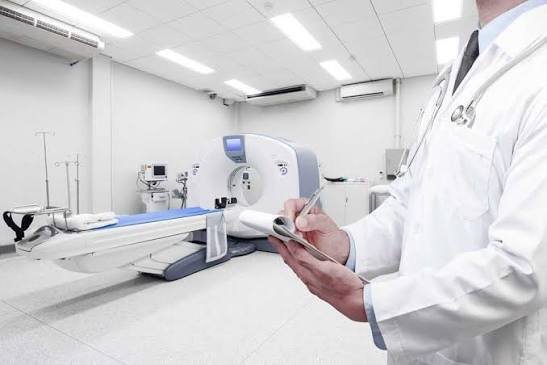
Medical equipment finance is a loan that helps healthcare businesses buy the machines they need to treat and diagnose patients. The equipment you buy is usually given as security for the loan.
You can use it to purchase standard medical equipment, such as:
- CT Scanners
- Colour Dopplers
- Ultrasound Machines
- MRI Machines
- X-ray Machines
What Is the Eligibility Criteria for a Medical Equipment Loan?
Beyond the type of business, lenders look at your stability, experience, and financial track record. Here is what you will need:
| Category | Eligible Businesses |
| Hospitals and Care Facilities | Specialty or super specialty hospitals, nursing homes |
| Diagnostic Services | Diagnostic centres, pathology lab centres |
| Specialty Clinics | Skin clinics, dental clinics |
| Specialised Treatment Centres | Dialysis centres, endoscopy centres, IVF centres |
| Educational Institutes | Medical or paramedical colleges, dental colleges |
| Industry Businesses | Large medical equipment dealers, pharmaceutical manufacturers |
Beyond the type of business, lenders look at your stability, experience, and financial track record. In addition, you will need:
- Stable Occupancy: At least three to five years of continued occupancy at your present residence or office.
- Healthcare Experience: A minimum of three years’ experience running a healthcare business.
- Repayment History: A track record of repaying any loan for at least 12 months.
- Banking History: At least 12 months of banking details from an account with a scheduled commercial bank. This should be the account that handles most of your transactions.
Which Documents Do You Need Before Approval for Medical Equipment Finance?
Once you know you are eligible, the next step is gathering your paperwork. The list can vary depending on your profession, income, and loan requirement. In general, these are the eligibility documents for medical equipment finance at the pre-approval stage:
| Document | What It Covers |
| Application Form | Completed and signed |
| Income Tax Returns | Last three years, with balance sheet and profit and loss account |
| Bank Statements | Last six months |
| KYC Documents | For all promoters and the firm |
| Loan Track Record | Details of previous and running loans |
| Funding Details | Information on your funding requirement or project report |
| Other Documents | As needed, based on your funding requirement |
What Counts as Business Proof for Medical Equipment Finance?
Lenders want to see that your business is real, stable, and financially sound. Business proof for medical equipment finance is usually drawn from your financial records and business history.
For sole proprietorships, partnerships, and private limited companies, the documentation checklist is identical across all three business structures. You will need to submit Income Tax Returns, balance sheets, profit and loss accounts, and bank statements covering the business entity, all individual promoters, and any co-applicants.
What Happens After Your Loan Is Approved?
Approval is not the final step. Before the funds are released, you will need to complete a few more formalities:
- Sign the Loan Agreement: This confirms the terms of your loan.
- Submit the Original Hypothecated Invoice: This applies to equipment loans, where the equipment is given as security.
- Provide an Insurance Policy: The policy must cover the equipment and be endorsed in favour of the lender.
What Checks Take Place After Disbursement?
The lender will also carry out a few checks once the loan is disbursed:
- Asset Verification Report (AVR): The lender completes the AVR report within seven days of disbursement.
- Annual Site Visits: Bank officials will visit your premises once a year.
Keep in mind that delays in submitting the documents required under your sanctioned terms may attract penalties or charges.
How Can You Prepare Your Application?
A little preparation can make the process much smoother. Use this checklist before you apply:
- Organise Your Tax Returns: Keep your last three years of returns and financial statements in one place.
- Download Your Bank Statements: Make sure they cover the last six months.
- Collect KYC Documents: Gather them for every promoter involved in the business.
- List Your Existing Loans: Include current and past loans with their repayment history.
- Prepare a Funding Plan: Explain which equipment you need, why you need it, and how it will support your business.
- Get an Equipment Quote: Having a clear cost estimate helps you decide how much to borrow.
Ready to Upgrade Your Medical Equipment?
Medical equipment finance can help your healthcare business grow without putting pressure on your day-to-day funds. Knowing the eligibility criteria and having your business proof for medical equipment finance ready can save time and make your application stronger.
When you are ready to invest in new equipment, specialised financing options like HDFC Bank’s healthcare and equipment finance can help you take that next step.