Buying a flat, apartment or independent house is a major financial decision. Before taking possession of a newly constructed property, buyers should verify whether the building has received the necessary approvals from the local authority. One of the most important documents to check is the Occupancy Certificate (OC).
An Occupancy Certificate is an official document issued by the competent authority confirming that a building or a specified part of it can be occupied under the applicable local rules. It helps establish that the building has met the required conditions for occupation, including relevant civic infrastructure and safety requirements.
Without the required OC, buyers may face difficulties related to legal occupation, utility connections, home loans, resale and other property-related matters.
This article explains what an Occupancy Certificate is, why it is important, how it differs from a Completion Certificate and how property buyers can check whether an OC is genuine.
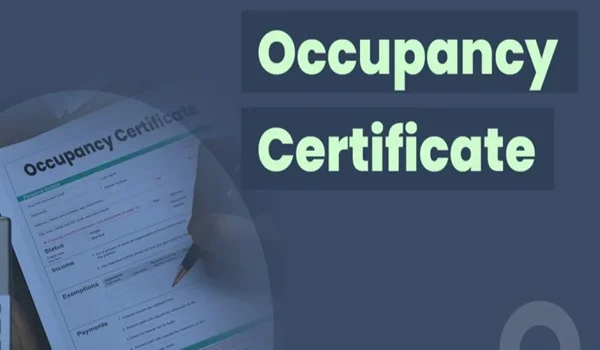
What Is an Occupancy Certificate (OC)?
An Occupancy Certificate is a document issued by the competent local authority after verifying that a completed building or a part of it satisfies the applicable requirements for occupation.
Under Section 2(zf) of the Real Estate (Regulation and Development) Act, 2016 (RERA), an Occupancy Certificate means a certificate, or another document by whatever name called, issued by the competent authority permitting occupation of a building under local laws. The definition refers to civic infrastructure such as water, sanitation and electricity.
The certificate generally confirms that the building is suitable for occupation under the relevant building regulations.
Depending on the local rules, the authority may examine:
- Compliance with the sanctioned building plan
- Building construction and permitted use
- Water supply arrangements
- Drainage and sanitation facilities
- Electricity and other essential services
- Fire safety requirements, where applicable
- Lift and other safety-related approvals, where applicable
- Access roads and other required facilities
An OC is an important legal document because it indicates that the competent authority has permitted occupation of the building or the approved portion of it.
The exact format, issuing authority and procedure may differ between states and local bodies.
Who Issues an Occupancy Certificate in India?
An Occupancy Certificate is generally issued by the competent authority responsible for regulating building construction and occupation in the relevant area.
Depending on the location, the issuing authority may include:
- Municipal Corporation
- Municipal Council
- Development Authority
- Town Planning Department
- Urban Development Authority
- Other government bodies authorised under local laws
For example, a property located within a municipal corporation area may fall under that corporation’s building approval system. A property in a development authority-controlled area may follow a different procedure.
Buyers should verify the OC with the authority that has jurisdiction over the property. A certificate issued by an unrelated private organisation or an unauthorised person cannot replace the required government approval.
Why Is an Occupancy Certificate Important for Property Buyers?
An Occupancy Certificate protects buyers by providing evidence that the building has received permission for occupation under the applicable rules.
Here are the major reasons why buyers should check it before taking possession.
Confirms Permission to Occupy the Building
The main purpose of an OC is to confirm that the competent authority has permitted the building or a specified portion of it to be occupied.
If an OC is legally required but has not been obtained, occupying the property may create legal and practical problems.
Buyers should not assume that receiving the keys from the builder automatically means that the building is legally approved for occupation.
Helps Verify Compliance with Building Regulations
Before issuing an OC, the authority may examine whether the building satisfies relevant construction and safety requirements.
This may include checking the sanctioned building plan, permitted construction, essential services and other applicable conditions.
The OC can therefore help buyers identify whether the property has completed the required approval process.
However, it does not guarantee that every construction defect or technical problem has been identified.
Important for Water, Electricity and Other Utilities
An OC is connected with the provision of essential civic infrastructure under the RERA definition.
Depending on local rules and utility-provider requirements, the certificate may be relevant when obtaining or regularising permanent water, electricity, drainage and other service connections.
Buyers should separately check whether the property has valid utility connections and whether any outstanding bills or charges remain unpaid.
Helps During Home Loan Processing
Banks and housing finance companies may ask for an Occupancy Certificate when evaluating a completed property.
The lender may examine the OC along with the title documents, approved building plan, Completion Certificate and other property records.
The exact document requirements depend on the lender and property category.
A bank approving a home loan does not automatically mean that every legal approval relating to the property is valid. Buyers should conduct their own legal verification.
Makes Property Resale Easier
When a buyer sells a flat or apartment, the prospective purchaser may ask for the OC during document verification.
The buyer’s lawyer or bank may also request it.
Having the relevant Occupancy Certificate can help reduce questions about whether the building has been legally approved for occupation.
Helps Protect Buyers Against Unauthorised Construction
If a developer constructs additional floors or makes major unauthorised changes, the local authority may refuse to issue an OC or may issue it only for the approved portion, depending on the applicable rules.
Buying a property without checking the OC can expose buyers to risks involving unauthorised construction or regulatory action.
Occupancy Certificate vs Completion Certificate
Many buyers confuse an Occupancy Certificate with a Completion Certificate. Both documents are important, but they serve different purposes.
Under RERA, the two certificates have separate definitions.
| Basis | Occupancy Certificate (OC) | Completion Certificate (CC) |
| Main purpose | Permits occupation of a building under local laws | Certifies that the project has been developed according to approved plans and specifications |
| Main focus | Occupation and habitability requirements | Completion of construction and project compliance |
| Issuing authority | Competent local authority | Competent local authority |
| Stage | After the relevant construction and occupation requirements are met | After completion of the relevant project or construction work |
| Importance | Helps establish permission to occupy | Helps establish compliance with the sanctioned project plans |
An OC and a CC are not automatically interchangeable. However, the Ministry of Housing and Urban Affairs has clarified in its RERA FAQs that where a state or union territory issues only one certificate covering both functions, that certificate may satisfy the relevant RERA requirements.
Buyers should check the documents required under the local building regulations rather than assuming that every location follows the same certificate system.
What Is a Partial Occupancy Certificate?
A Partial Occupancy Certificate is an approval that permits occupation of a specific completed and approved portion of a larger project.
It may be issued when a residential project has several towers, blocks or phases and only some portions are ready for occupation.
For example, a housing project may have five towers. If three towers have completed the required construction and approval process, the authority may permit occupation of those towers while construction continues in the remaining towers, subject to local rules.
Before accepting a flat under a Partial OC, buyers should check:
- Whether the certificate covers their specific tower
- Whether their floor and apartment are included
- Whether essential services are available
- Whether access roads and common facilities are usable
- Whether the remaining construction may affect access or safety
- Whether the certificate has any conditions or restrictions
A Partial OC for one tower does not automatically authorise occupation of every tower in the project.
What Is the Difference Between OC and RERA Registration?
RERA registration and an Occupancy Certificate are two different things.
RERA registration is generally required for applicable real estate projects before the promoter advertises, markets, books or sells units. An OC is related to permission to occupy a completed building or a specified portion under local laws.
| Basis | RERA Registration | Occupancy Certificate |
| Purpose | Registers an applicable real estate project with the state RERA authority | Permits occupation under local building rules |
| Stage | Generally before marketing and sale of covered projects | After the relevant construction and occupation requirements are met |
| Issued by | State or Union Territory RERA authority | Competent local building authority |
| Main benefit | Provides project disclosures and regulatory oversight | Helps establish permission for occupation |
| Applies to | Projects covered by RERA registration requirements | Buildings or portions covered by local OC requirements |
A project’s RERA registration number is not a substitute for its Occupancy Certificate.
Buyers should verify both documents when applicable.
How to Check the Authenticity of an Occupancy Certificate?
Before purchasing a property or accepting possession, buyers should verify whether the OC is genuine and whether it covers the exact building or apartment they are buying.
The following steps can help.
Check the Name of the Issuing Authority
Start by checking which authority has issued the certificate.
The authority should have jurisdiction over the property’s location and the power to grant occupation permission.
Check the following details:
- Name of the issuing department
- Official seal or authentication
- Signature or authorised digital approval
- Certificate number
- Issue date
- Relevant property address
If the document contains unclear or inconsistent information, ask the developer for clarification.
Verify the Certificate Number
Most official certificates contain a reference number, application number or other identification details.
Use this number to verify the certificate through the issuing authority’s official website or office, where verification facilities are available.
Do not depend only on a photograph, scanned copy or document shared through a messaging application.
Match the Project and Property Details
Check whether the details mentioned in the OC match the actual property.
Important details include:
- Project name
- Developer’s name
- Plot or survey number
- Building or tower number
- Property address
- Number of floors
- Approved building use
- Relevant phase or block
For a large residential project, confirm that the OC covers the particular tower or phase in which your apartment is located.
Check Whether It Is a Full or Partial OC
An OC may cover the entire project or only a specific part of it.
Read the certificate carefully to understand its scope.
If it is a Partial OC, check whether your apartment, tower and relevant common facilities are included.
Do not assume that a certificate for one completed portion covers the remaining construction.
Check the Issue Date and Conditions
Verify the date on which the certificate was issued.
Also check whether the authority has mentioned any conditions, restrictions or limitations.
If the certificate refers to pending work or specific conditions, ask the developer and local authority what they mean for the occupation of your property.
Verify It with the Local Authority
If online verification is unavailable, contact the relevant municipal corporation or development authority.
You may submit a written request or visit the department responsible for building approvals.
Provide the certificate number, project name, address and other available details.
Ask the authority to confirm:
- Whether the certificate was issued by it
- Whether the certificate number is valid
- Whether the document is still applicable
- Which building or portion it covers
- Whether any conditions or restrictions apply
Compare the OC with Other Property Documents
The OC should also be checked against the project’s sanctioned building plan, Completion Certificate and other approvals.
If there are differences in the project name, tower number, address or permitted building use, seek clarification before completing the purchase.
For a high-value property transaction, an independent property lawyer should verify the OC and other approvals with the competent authority.
Documents to Check Along with an Occupancy Certificate
An OC is an important document, but it does not establish every aspect of a property’s legal status.
Buyers should examine other documents before making the final payment.
| Document | Purpose |
| Sale deed and title documents | Help verify ownership and ownership history |
| Sanctioned building plan | Shows the construction approved by the authority |
| Completion Certificate | Helps verify completion according to approved plans |
| Occupancy Certificate | Helps establish permission to occupy |
| RERA registration details | Help verify applicable project registration and disclosures |
| Encumbrance Certificate | Shows registered transactions and encumbrances reflected in the records searched |
| Property tax receipts | Help check payment of applicable property taxes |
| Fire safety approval | Relevant where required under local rules |
| Structural stability certificate | Provides technical information about structural safety, where required |
| Utility connection records | Help verify water, electricity and other service arrangements |
An Encumbrance Certificate does not necessarily show every possible claim, dispute or unregistered transaction. Buyers should arrange a proper title search and legal review.
What Happens If a Builder Does Not Provide an Occupancy Certificate?
If a builder fails to provide an OC where it is required, buyers should take the issue seriously.
The correct action depends on the project status, sale agreement, local building regulations and reason for the delay or non-issuance.
Ask the Builder for Written Clarification
The buyer should first ask the developer why the OC has not been issued.
Request information about:
- Whether the OC application has been submitted
- Application or reference number
- Date of application
- Current application status
- Any objections raised by the authority
- Pending approvals or construction work
- Expected date of compliance
Keep copies of all emails, letters and payment records.
Check the Project’s RERA Status
For a project covered by RERA, buyers can examine its registration details and declared completion timeline.
They can also check the project disclosures and available updates.
If the promoter has failed to fulfil applicable obligations, buyers may consider approaching the relevant state RERA authority.
Complain to the Local Authority
If there are concerns about unauthorised construction or occupation without required approval, buyers may submit a complaint to the competent municipal or development authority.
The authority can examine the issue and take action under the applicable local laws.
Consider Legal Remedies
Depending on the facts, buyers may consider legal remedies under RERA, consumer protection law or other applicable provisions.
For example, if the developer has failed to fulfil contractual obligations or made misleading statements about the project’s approvals, the buyer may have grounds to seek appropriate relief.
Before taking legal action, get the agreement for sale, payment records, possession letter and available approval documents reviewed by a property lawyer.
Can a Buyer Take Possession Without an OC?
Whether possession can legally be taken without an OC depends on the applicable local rules and the property’s approval status.
Where an OC is mandatory, occupation without the required approval may create legal and practical risks.
These may include:
- Action by the local authority
- Problems with permanent utility connections
- Difficulty obtaining certain approvals
- Complications during resale
- Problems with property documentation
- Disputes with the developer or housing society
Buyers should distinguish between receiving physical possession from the builder and receiving possession of a property that is legally approved for occupation.
Do not accept a builder’s verbal assurance that the OC will be issued later without checking the actual status with the competent authority.
Is an Occupancy Certificate Mandatory for Every Property?
The requirement for an Occupancy Certificate depends on the applicable state laws, municipal building regulations, development rules and property category.
Many newly constructed residential and commercial buildings require an OC or an equivalent occupation approval before they can be occupied.
However, the exact requirements may differ for:
- Independent houses
- Apartments and group housing projects
- Commercial buildings
- Industrial buildings
- Rural properties
- Buildings in areas governed by special development regulations
- Older properties constructed under earlier rules
Some authorities may also issue a different certificate that performs the same function.
Therefore, buyers should confirm the applicable requirement with the local authority.
Common Mistakes Property Buyers Should Avoid
Buyers should avoid these mistakes when checking an Occupancy Certificate:
- Accepting a photocopy without verifying its authenticity.
- Assuming that RERA registration means the building has an OC.
- Treating a Completion Certificate and OC as the same document in every state.
- Ignoring the difference between a full OC and a Partial OC.
- Not checking whether the certificate covers the exact tower or apartment.
- Depending only on the builder’s verbal assurance.
- Failing to check the sanctioned building plan.
- Ignoring conditions or restrictions mentioned in the certificate.
- Assuming that an OC guarantees clear land ownership.
- Not taking legal advice before purchasing a property with missing approvals.
Frequently Asked Questions (FAQs)
What is the full form of OC in property?
OC stands for Occupancy Certificate. It is an official document issued by the competent authority permitting occupation of a building or a specified portion under applicable local laws.
Is an Occupancy Certificate mandatory in India?
An OC or equivalent occupation approval is required for many newly constructed buildings under local building regulations. However, the exact requirement depends on the state, local authority and property category.
Can I buy a flat without an Occupancy Certificate?
A buyer may enter into an agreement for an under-construction property before an OC is issued, subject to applicable laws. However, before taking possession of a completed property, buyers should check whether an OC is legally required and whether it has been obtained.
How can I check whether an OC is genuine?
Check the certificate number, issuing authority, project address, tower details and issue date. Verify the document through the competent authority’s official portal or office, where available.
Is an OC the same as a Completion Certificate?
No. An OC relates to permission to occupy a building, while a Completion Certificate relates to completion of the project according to approved plans and specifications. Some authorities may issue a single certificate covering both functions.
Can a builder give possession without an OC?
A builder may physically hand over the keys, but that does not automatically mean occupation is legally permitted. If the local rules require an OC, buyers should verify that the necessary approval has been obtained before occupying the property.
Does an OC guarantee that the property has a clear title?
No. An Occupancy Certificate relates to occupation permission. It does not independently prove ownership of the land or confirm that there are no mortgages, legal disputes or other claims.
What is a Partial Occupancy Certificate?
A Partial OC permits occupation of a specific completed and approved portion of a larger project, subject to local rules. Buyers must confirm that their particular tower or building is covered.
Can I get a home loan without an OC?
Some lenders may consider certain properties depending on their construction status and documentation. However, lenders may require an OC for completed properties. Requirements vary between banks and housing finance companies.
Conclusion
An Occupancy Certificate is one of the most important documents to verify before taking possession of a newly constructed flat, apartment or building in India. It helps establish that the competent authority has permitted the building or relevant portion to be occupied under applicable local rules.
However, an OC does not independently guarantee clear property ownership, structural quality or the absence of legal disputes.
Before buying a property, verify the OC’s authenticity, check whether it covers your specific apartment or tower, and examine the sanctioned building plan, Completion Certificate, title documents and other required approvals.
A proper legal and technical verification process can help buyers avoid unauthorised construction, occupation-related problems and future property disputes.