Anyone who has spent time in an Indian kitchen knows that the spice blend makes or breaks a dish far more than the technique does. Two people can follow the same recipe, use the same protein or vegetable, cook it at roughly the same heat, and still arrive at two completely different results. More often than not, the gap comes down to the spices. The freshness, the grind, the balance of individual components within a blend – these are not small variables, and they tend to separate a dish that tastes right from one that tastes close but not quite there.
The question of which brand does this best does not have a single answer that holds across every type of cooking and every kitchen. A restaurant kitchen with high-volume output has different needs from a home cook making a weekend biryani for family. The scale is different, the frequency of use is different, and what counts as a reliable product in each setting differs as well. That said, there are a few things both environments look for in a spice brand, and those shared standards are a reasonable place to start.
What Both Home Cooks and Restaurant Kitchens Actually Look For
Consistency is the first thing that comes up in any conversation about spice quality in a professional kitchen. A chef who builds a dish around a particular flavour profile needs that profile to be repeatable from one batch of ingredients to the next. A spice blend that tastes different from one packet to the next creates a problem at scale that is difficult to correct in service. For home cooks, this matters too, though the stakes are different. A family recipe that relies on a specific chilli powder blend will taste different if the blend changes in heat level or aroma across different purchases. While that might not cause the kind of problem it does in a restaurant, it is still noticeable.
Aroma retention is closely tied to how a product is packaged and processed. Spices lose their aromatic compounds over time, and exposure to air, light and moisture speeds that process. Ground spices are more vulnerable than whole ones because the surface area exposed to air is greater after grinding. Brands that invest in airtight, light-resistant packaging and processing methods that preserve volatile oils tend to deliver better results in the pot. This is something worth paying attention to on the shelf rather than assuming all products in the same category perform similarly.
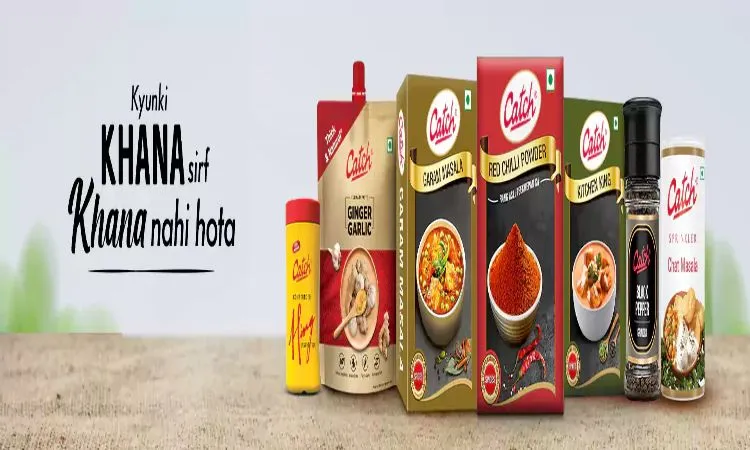
The range of available products within a single brand matters more than it might seem. A kitchen that uses one brand for most of its spice needs develops familiarity with how those products behave in combination. That consistency across a range takes time to build with a new supplier. Among the leading spice brands in India, Catch Masala has built a range that covers both everyday spice powders and blended masalas, which makes it easier for both professional and home kitchens to maintain consistency across a range of dishes without switching between multiple suppliers.
DS Group has been in the spice market for several decades, and the brand’s distribution reach is a practical consideration for both retail buyers and food service operators who need a reliable supply across different regions.
Regional Variation and the Spice Blend Question
Indian cuisine is not a single cuisine. The spice profile of a Chettinad dish is entirely different from that of a Rajasthani preparation, and both are different from what goes into a Parsi dhansak or a Bengali macher jhol. A brand that does well in one regional cuisine does not automatically translate to the same quality across all of them.
For kitchens that cook across multiple regional styles, the breadth of the product range matters more than depth in any single category. A brand that offers region-specific blends rather than only generic national variants tends to serve those kitchens better. For home cooks who mostly prepare the cuisine of their own region, the depth and accuracy of that specific set of products count.
The overall answer to the best brand question is less about a single winner and more about which brand performs reliably across the categories that matter most to a specific kitchen. Checking a brand’s product range, understanding how its products are processed and packaged, and spending some time with the actual flavours in the pot tends to be more useful than relying on a ranking that does not account for the specifics of how and what a person cooks.