No, a high claim settlement ratio indicates that an insurer settled a large share of claims in a given period. It does not tell you how quickly money reaches a hospital or policyholder.
Claim payment time depends on whether treatment is cashless or reimbursed, the records available and how the policy terms apply. Knowing what each measure tells you can help you judge an insurer’s claim service more accurately.
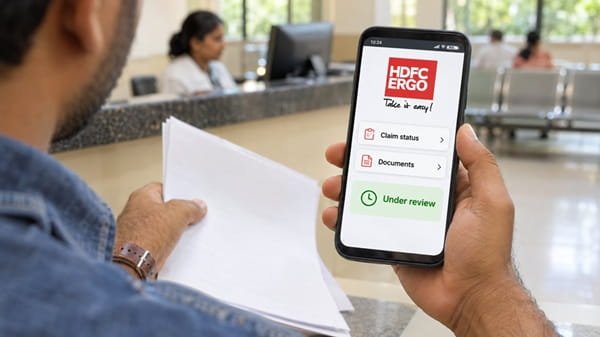
What a Claim Settlement Ratio Tells You
The claim settlement ratio expresses the proportion of claims an insurer settles out of claims available for processing over a stated period. It helps explain an insurer’s record, with limits.
- It describes past claims, not your future claim.
- It does not show how much of each bill was approved.
- It may not reveal the time taken on individual claims.
- Different published statistics can use different definitions, so check the source and period.
An insurer can settle most claims yet take longer on complex cases. A strong ratio and prompt service are not identical.
Payment Speed Depends on the Type of Claim
When you purchase a mediclaim policy online, the claim instructions deserve as much attention as the benefits. The process depends on the treatment arrangement.
Cashless Treatment
At a network hospital, the hospital sends a request for treatment authorisation. The insurer checks eligibility and the estimated medical expenses. After treatment, the hospital sends the final bill for discharge authorisation. Approved amounts are settled with the hospital under the applicable arrangement. Cashless approval is not the same as immediate final payment.
Reimbursement Treatment
When reimbursement applies, you generally pay the hospital first and submit the necessary documents for review. Processing involves checking the final bills, medical records and applicable policy conditions. Missing records or clarification requests can delay payment.
What Can Slow Down an Otherwise Valid Claim?
Speed is influenced by more than the insurer’s overall performance. Common reasons for additional review include:
- Unclear medical details: The insurer needs clarification on the diagnosis or reason for admission.
- Incomplete hospital records: Bills, discharge summaries or requested supporting information are not ready.
- Benefit checks: The claim involves room limits, co-payments, waiting periods or other relevant terms.
- Changes during treatment: The estimated expenditure needs revision, leading to another authorisation request.
These checks do not automatically mean a claim will be rejected. They may be part of verifying what the policy covers.
Are There Regulatory Timelines in India?
The Insurance Regulatory and Development Authority of India (IRDAI) prescribes time limits for cashless decisions. Insurers are required to decide cashless authorisation requests within one hour of receiving them and final discharge authorisation within three hours of receiving the hospital’s request.
These limits relate to particular authorisation stages, not a blanket promise that every mediclaim payment will be completed within those hours. For a delay, ask the insurer or hospital desk what remains pending. Keep the claim reference number and dates of requests.
How Claim Payment Processes Differ
Not all health insurance claims follow the same payment process. For instance, a critical illness insurance policy generally provides a fixed lump sum when the diagnosis meets the policy’s conditions. Unlike regular mediclaim, the payout is not based on hospital bills.
The insurer reviews medical reports, waiting periods and other applicable conditions before settling the claim. Therefore, processing times may differ depending on the type of insurance cover.
Look Beyond the Headline Figure
Before choosing an insurer, look for practical evidence of service:
- Published claim processing information for the relevant reporting period.
- Access to network hospitals where you expect to receive treatment.
- Clear claim instructions, document requirements and tracking options.
- An accessible grievance channel if a claim remains unresolved.
A high ratio can be reassuring, but it is only one part of the picture.
Final Thoughts
A high claim settlement ratio measures past claim outcomes, not the speed of your next mediclaim payment. For a more useful view, understand the claim route, the hospital’s role, authorisation timelines and the policy terms that affect payment.
Clear documentation and prompt communication can also reduce avoidable delays. Ultimately, every claim is reviewed on its own facts and settled according to the applicable cover.